
Women Illustration

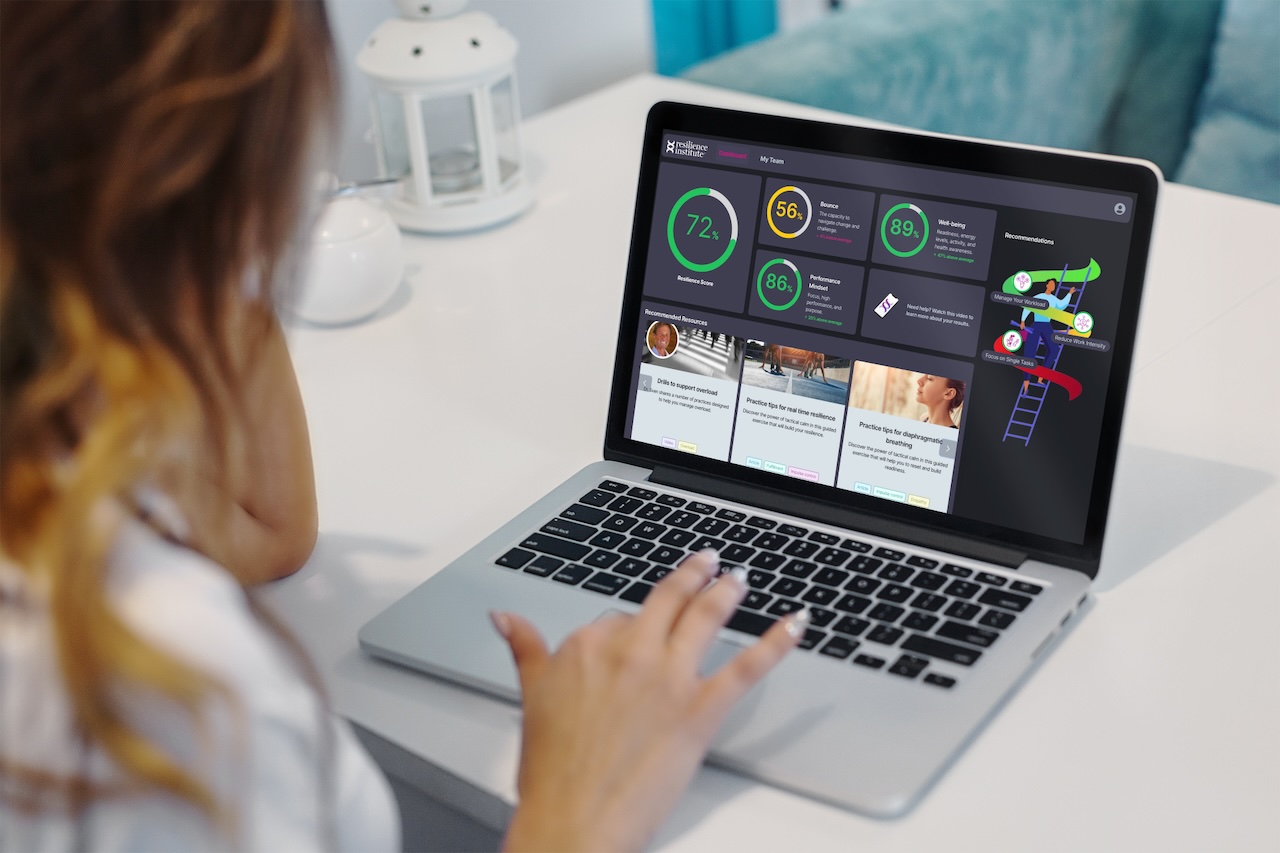
Overview of the personalised Resilience Assessment Report

See how we measure Resilience and the detailed insights into individual strengths and growth areas.

Download Report

Understanding the JD-R Model and Its Role in Building Resilience

The Job Demands-Resources (JD-R) model offers a valuable framework for understanding workplace dynamics. It can be a powerful tool for fostering resilience within teams. Here’s how the JD-R model works and how leaders can use it to support their teams effectively.

What is the JD-R Model?

The JD-R model, developed by researchers Arnold Bakker and Evangelia Demerouti, categorizes workplace factors into two main groups: job demands and job resources. Job demands refer to the physical, psychological, social, or organizational aspects of a job that require sustained effort and are associated with certain physiological and psychological costs. Examples include high work pressure, emotionally demanding interactions, and job insecurity.

On the other hand, job resources are aspects of a job that help achieve work goals, reduce job demands, and stimulate personal growth, learning, and development. These include supportive leadership, autonomy, career opportunities, and positive social interactions at work.

Building Resilience with the JD-R Model

Resilience is the ability to bounce back from adversity and thrive despite challenges. By leveraging the JD-R model, organizations can build resilience in several ways:

1. Balancing Demands and Resources:

High job demands can lead to stress and burnout if not balanced with sufficient job resources. By ensuring that employees have access to adequate resources, leaders can help mitigate the negative effects of job demands. This balance is crucial for maintaining employee well-being and performance.

2. Enhancing Job Resources:

Providing resources like training, supportive supervision, and a positive work environment can boost employees’ resilience. These resources help employees manage their demands more effectively and promote engagement. For instance, offering regular professional development opportunities can enhance skills and confidence, making employees more resilient to stressors.

3. Reducing Job Demands:

Identifying and reducing unnecessary job demands can prevent burnout. Leaders can do this by streamlining processes, clarifying roles, and providing clear expectations. Reducing excessive workload and unreasonable deadlines can significantly lower stress levels and improve resilience.

Practical Steps for Leaders

Leaders play a crucial role in implementing the JD-R model to build resilient teams. Here are practical steps:

1. Assess the Current State:

Conduct surveys or assessments to understand the current job demands and resources. Tools like the Resilience Institute’s Resilience Assessment can be beneficial. This assessment can benchmark the efficacy and subsequent progress of a JD-R intervention, providing a clear picture of the areas needing improvement.

2. Increase Support and Autonomy:

Provide regular feedback, acknowledge achievements, and offer autonomy in how tasks are completed. Supportive leadership fosters a sense of control and competence among employees. When employees feel valued and empowered, their resilience to challenges increases.

3. Promote Work-Life Balance:

Encourage employees to take breaks, use their vacation time, and maintain a healthy work-life balance. This helps in reducing overall job demands. A balanced approach ensures that employees return to work refreshed and more capable of handling stress.

4. Facilitate Personal and Professional Growth:

Offer training and development opportunities. This not only equips employees with new skills but also boosts their confidence and resilience. Providing a clear path for career advancement can motivate employees and increase their commitment to the organization.

5. Encourage Social Support:

Foster a collaborative and supportive work environment. Encouraging teamwork and peer support can significantly enhance job resources. Social support at work acts as a buffer against stress and promotes a sense of belonging and mutual aid.

Evidence Supporting the JD-R Model

Research supports the efficacy of the JD-R model in promoting well-being and resilience. A study published in the “Journal of Managerial Psychology” found that job resources can buffer the negative effects of job demands on burnout and enhance engagement. Another study in “Work & Stress” highlighted that employees with higher job resources were more resilient and better able to cope with high job demands.

Further evidence from a meta-analysis in the “Journal of Occupational Health Psychology” confirms that job resources are directly related to work engagement and indirectly reduce the risk of burnout by mitigating the impact of job demands. This underscores the importance of a balanced approach where resources are used to support employees facing high demands.

Leveraging the Resilience Assessment

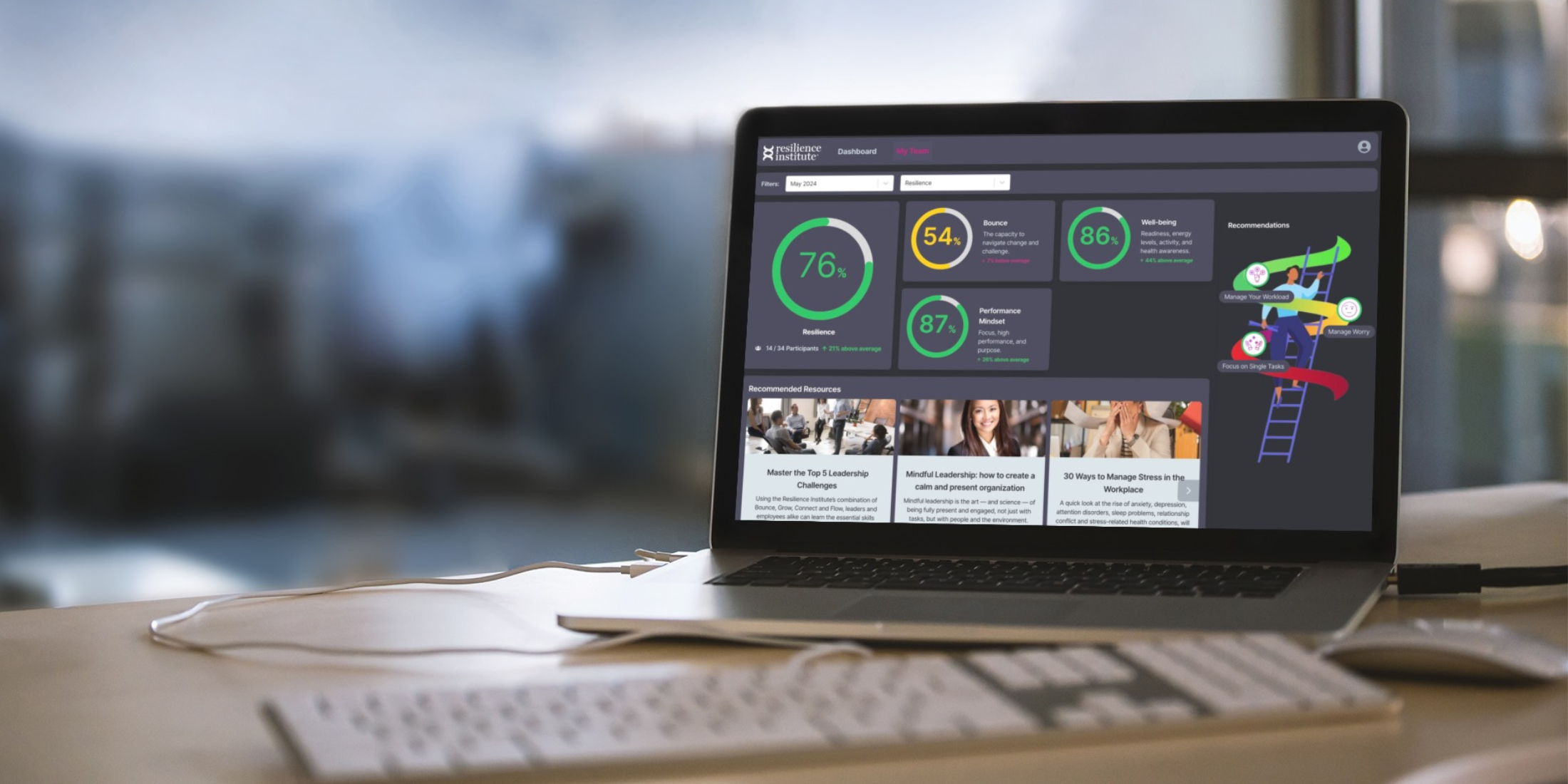
The Resilience Institute’s Resilience Assessment is a powerful tool to benchmark the efficacy of JD-R interventions. It provides detailed insights into individual and team resilience levels, helping leaders identify strengths and areas for improvement. By regularly using the assessment, organizations can track progress over time, ensuring that their strategies are effective and making necessary adjustments.

The assessment covers various dimensions of resilience, including physical, emotional, and mental well-being. It offers actionable insights that leaders can use to tailor their interventions, ensuring they meet the specific needs of their teams. By integrating the JD-R model with the resilience assessment, leaders can create a dynamic and responsive approach to building resilience.
__wf_reserved_inherit

Conclusion

By understanding and applying the JD-R model, leaders can create a work environment that not only mitigates stress but also builds resilience. Balancing job demands with adequate resources, promoting growth and support, and regularly assessing resilience levels are key strategies. These efforts lead to a more engaged, productive, and resilient workforce.

Original Source: https://resiliencei.com/blog/understanding-the-jd-r-model-and-its-role-in-building-resilience/

Human Resilience: The Keystone of Planetary Health

Introduction

The connection between personal resilience and well-being and planetary health is more apparent and critical than ever. What if the key to nurturing our planet begins with taking care of ourselves? This article reveals the symbiotic relationship between human well-being and Earth’s health and makes a compelling case for business leaders to take action.‍

The Human-Nature Connection

Spending time in nature – whether it’s a walk through the park, gardening, or simply sitting under a tree – significantly reduces stress levels, improves mood, and enhances overall health. It is not just a leisure activity; nature is a profound well-being tool. When we feel good, we are more likely to make sustainable choices that ripple out to benefit our environment.

Sustainability as Self-Care

Adopting sustainable practices is an act of self-care. Choosing organic, local foods nourishes our bodies without harmful pesticides and supports local economies. Using natural self-care products protects our skin from harsh chemicals and our waterways from pollution. These personal choices are small acts of environmental stewardship, contributing to broader planetary well-being.

Ecotherapy: Healing Ourselves, Healing the Planet

What if the path to personal well-being and environmental stewardship could be one and the same? Enter ecotherapy, a growing field that combines psychological healing with nature immersion. This holistic approach is proving to be a game-changer.

Ecotherapy, also known as nature therapy, is based on the idea that people are connected to and impacted by the natural environment. A growing body of research confirms the mental health benefits of spending time in nature, including reduced stress, enhanced mood, improved concentration, and a lower risk of depression.

In our training program, ecotherapy is more than a tool for personal healing; it’s a path towards environmental consciousness and action. By experiencing firsthand the solace and clarity that nature can provide, participants are often inspired to become active stewards of the environment. It’s a beautiful, self-reinforcing cycle: healing ourselves through nature inspires us to return the favor.

For businesses, incorporating ecotherapy practices into employee well-being programs represents a forward-thinking, holistic approach to staff health and sustainability. It’s not just about creating happier, healthier employees; it’s about fostering a workforce that is deeply connected to and respectful of the natural world – a critical step as businesses everywhere work towards ambitious sustainability goals.

Examples of ecotherapy practices that can be easily integrated into corporate well-being programs include guided nature walks, mindfulness meditation in natural settings, and regular time set aside for employees to work in a garden or take outdoor breaks.

By promoting ecotherapy as part of a wider well-being initiative, companies send a powerful message: they care about the mental and physical health of their employees and are committed to a sustainable relationship with the planet.

Employee Well-Being Equals Business Success

Companies with a pro-environmental, health-conscious workforce reap substantial rewards: engaged, satisfied, and loyal employees, enhanced corporate reputation, and progress towards critical Environmental, Social, and Governance (ESG) goals. These factors increasingly guide investor and consumer decisions and can set a company apart in a competitive market.

A Call to Business Leaders

Here lies a unique and impactful opportunity for today’s business leaders: to invest in the well-being of employees and, in turn, the health of our planet. Our training program offers an innovative solution, seamlessly blending cutting-edge well-being practices with actionable strategies for environmental stewardship. This is not just about ticking a box; it’s about fostering a corporate culture that is harmonious with the world we all share.

The Bottom Line

Human well-being and planetary health are deeply interconnected. When we nurture ourselves, we are more likely to extend that care to the world around us. Businesses have a pivotal role to play in this. By investing in employee well-being through programs like ours, companies are not only cultivating a happier and more productive workforce but are also taking meaningful steps towards a more sustainable and harmonious world.

Conclusion

The future of business is clear: it must be sustainable and considerate of both people and the planet. As business leaders, we have the responsibility—and the power—to pioneer this change. Investing in programs that foster employee well-being and environmental stewardship is a strategic and ethical move towards securing not just the future of a company, but of our global community.

Explore our Global Resilience Report 2023 for more insights.

Are you ready to lead your company into a future defined by both human and planetary health? Contact us today to learn more about our transformative well-being training program and how it can revolutionize your organization’s approach to sustainability.

Original Source: https://resiliencei.com/blog/human-resilience-the-keystone-of-planetary-health/

The Benefits of Environmental Stewardship

In recent years, the concept of environmental stewardship has gained popularity as more and more people worldwide commit to protecting our planet. It is the idea that humans can play a positive and active role in the environment around us by minimising harm and improving the health of our surrounding ecosystems. Instead of separating humanity from the natural systems around us, environmental stewardship gives us a meaningful role in guiding nature positively. Environmental stewardship has also become a key aspect of corporate responsibility, with companies and customers recognising the importance of safeguarding our natural resources, resulting in increased environmental consideration within many businesses.

Not only does environmental stewardship greatly benefit our planet, but in reverse, participating in becoming a positive force for good within the environments around us can have profound impacts on our own individual psychological well-being. In fact, a recent study conducted by the Resilience Institute suggests that environmental stewardship could also be linked to overall well-being and resilience. Through understanding the data, we will explore the concept of environmental stewardship, why it’s important for human well-being and what we can do to become environmental stewards.

What is environmental stewardship?

Environmental stewardship, or nature stewardship, is concerned with the responsible management and conservation of natural resources. This responsible management should ensure the sustainability of resources for future generations. Environmental stewardship can take many forms, including adopting personal environmentally conscious practices, reducing ecological impacts within a business, or learning about and promoting awareness around preserving different ecosystems. Environmental stewardship may also involve supporting locally based environmental charities or initiatives. At its core, environmental stewardship gives people a positive and meaningful role as custodians of our environment so that we can enjoy the many benefits of a healthy environment today and in the future.

Why is it important for human well-being?

Intuitively, it makes sense that a healthy planet equals a healthy human — science backs us on this one, at least when it comes to spending time in nature. While our lives have become increasingly domesticated, we have indeed evolved alongside, and not separate from, our ecosystems. Recognising this through spending time in the wild can provide us with a sense of belonging, as well as a responsibility towards nature. Spending time in nature positively impacts our mental health, leading to reduced stress and an overall better mood. Studies also indicate that spending time in nature can also impact our physical health, such as lowering blood pressure and improving immune function.

However, more than environmental stewardship just impacting well-being on an individual basis, there are other more community-based factors at play, like economic stability and social cohesion. For example, the sustainable management of our natural resources is essential to maintain a stable economy in the future by supporting ongoing job opportunities and avoiding environmental disasters. Social cohesion is also encouraged when communities are empowered to participate in environmental and conservation initiatives.

How can we become environmental stewards?

Overall, environmental stewardship is about protecting and maintaining our planet; there are many decisions we can make both as individuals and as a part of a business to implement strategies to support these goals. Below we will list some of the areas in which we can all help:

  • Assessing our ecological footprint: By reducing our carbon footprint and researching strategies to reduce waste within our own homes, we can make an individual difference for the environment. This might include little decisions like purchasing fewer products that come in single-use plastic, being more rigorous with recycling, buying local foods or starting a compost bin. It can also include larger financial decisions like installing solar panels or driving an electric car.
  • Engage in community-based environmental projects: Putting your hand up to get involved with local environmental projects is a great way to engage with environmental stewardship while also meeting new people with the same interests.
  • Donate to charities: By supporting organisations that are being efforts to conserve and protect local ecosystems, we can be a part of championing these movements.
  • Advocate for sustainable policies: We can use our voices to advocate for the planet when it comes to sustainable policies; this may involve voicing our concerns about environmental responsibility and collaborating with stakeholders to implement new policies.

How does environmental stewardship increase human well-being and resilience?

At the Resilience Institute, we are constantly asking ourselves, “What leads to a resilient attitude and mental well-being?”. To that end, we have asked our members a number of questions regarding their attitudes, assumptions, beliefs and values. In an attempt to tease out what separates the most resilient of us, we’ve been fortunate enough to find a strong correlation with a number of factors. In a recent questionnaire, resilience data indicated a correlation between environmental stewardship and resilience. We believe that this finding indicates the importance of integrating environmental stewardship into our daily lives and business practices, as it can greatly enhance our resilience and overall well-being. The most resilient 10% of our participants, from a total sample of 1019 individuals, were shown to spend more time in nature, fostering a deeper connection with the environment (nature-relatedness) as well as showing greater concern for the environment and feeling more responsible for their ecological impacts (nature stewardship). While we wouldn’t want to make too many conclusions based on this data, it’s safe to say that taking responsibility for your natural environment and seeing yourself as an agent for positive change in the ecosystems you take part in has a net positive effect on your own psychological well-being and resilience. While taking part in nature can have a directly positive impact on our mindset, it’s also the attitude that you can make a positive impact on your surroundings that can lead to a more resilient mindset.

Tips for making stewardship a habit

So, it seems the environmental stewardship movement positively impacts individuals as well as the planet. Not only can we bring about a more sustainable future by collectively conserving our planet, but we may also be more happy and resilient in the meantime. Environmental stewardship seems to be a worthwhile habit to form. But what is the best way to implement environmental stewardship as a habit in your own life? We have put together some tips and tricks to encourage environmental stewardship in your everyday. To make environmental stewardship a habit, consider implementing the following tips:

  1. You should set attainable goals for reducing your ecological footprint and motivate yourself by keeping track of your progress. You can gamify your progress by keeping a visual tracker, physical or digital.
  2. Spend time in nature every day. This might look different for everybody, whether you simply take your lunch break outside, hop off the bus one stop early to take a stroll, spend the morning at the beach with your furry friend or start a gardening habit. Make sure your time in nature works for you and your life.
  3. Keep up to date with environmental issues. You could sign up for newsletters, follow some influential pages on socials, or listen to a weekly podcast. However you do it; keeping up to date with environmental issues is a good way to stay informed and inspired on your journey.
  4. Participate in local events. Keep an eye out for local environmental events and get involved. This is an excellent way to be an active environmental steward, as well as to meet new people and open yourself up to further opportunities in the future.
  5. Try to implement more environmentally conscious practices at work and home. Making efforts to recycle, use less energy, and reduce waste can significantly impact when we all pitch in. Taking simple actions like switching to LED lighting, or using water-efficient appliances, is a great way to reduce your local environmental impact.
  6. Educate yourself and others! Understanding your local ecosystems and the impact we make on them is the first step to making lasting changes. Share your knowledge and passion for the environment with others, join local organisations, and build workshops to improve environmental education.

As it turns out, environmental stewardship is not only important for the protection of our planet, but it’s also invaluable for enhancing human well-being and increasing resilience. When both individuals and businesses take the time to understand the importance of nature stewardship and implement environmentally friendly practices, they can contribute to a more sustainable future while simultaneously improving their physical and mental health.

Our data provides compelling evidence of the connection between resilience and environmental stewardship, which further emphasises the importance of protecting our natural resources. By incorporating nature into our everyday lives, as well as fostering a sense of responsibility for our individual and collective ecological impacts, we can cultivate nature stewardship habits that benefit ourselves and our home; the planet.

Original Source: https://resiliencei.com/blog/the-benefits-of-environmental-stewardship/

A Guide to Retaining Top Talent

The competition for skilled professionals is fierce, and the cost of losing a valuable employee extends beyond financial implications to include lost knowledge, decreased morale, and reduced competitive edge. This guide provides senior leaders and HR managers with actionable strategies to enhance employee engagement, foster resilience, and ensure their organizations remain attractive to the industry’s best talents.

The Core of Retention: Understanding What Top Talent Values

Top talent today seeks a blend of professional fulfillment, personal well-being, and a sense of purpose in their work. Here are the latest findings on what top talents actually want:

  • Opportunities for Professional Growth: A LinkedIn Learning report found that 94% of employees would stay at a company longer if there was an investment in their learning and development.
  • Flexible Working Arrangements: According to the FlexJobs survey, flexibility, including remote work options, ranks high among desired job benefits, directly impacting job satisfaction and retention.
  • Purpose-Driven Work: A study by Deloitte highlighted that employees, especially Millennials and Gen Z, prefer to work for organizations that align with their personal values and contribute to societal good.
  • Autonomy and Trust: Research published in the Harvard Business Review shows that employees who feel they have autonomy in their work are more engaged, satisfied, and likely to stay with their employer.
  • Health and Well-being Support: The American Psychological Association’s research underscores the importance of mental health support and wellness programs in employee retention.
  • Culture of Recognition and Reward: Recognizing and rewarding employees’ achievements and contributions is essential for retention. A culture that celebrates success, big and small, fosters a sense of value and belonging among employees.

Practical Tips and Suggestions for Companies

Opportunities for Professional Growth

Investing in employees’ professional development is a key strategy for retaining top talent. Companies can achieve this by offering access to training programs, workshops, and courses relevant to their industry. Establishing a tuition reimbursement program encourages continuous learning and shows a commitment to employee growth. Additionally, creating clear career pathways within the organization helps employees visualize their future and motivates them to invest their talent long-term. Mentorship programs can also play a crucial role, pairing less experienced employees with seasoned professionals to facilitate knowledge transfer and career guidance.

Flexible Working Arrangements

Flexibility in work arrangements has become a significant factor in job satisfaction and retention. Companies can adopt flexible work policies that allow for telecommuting, flexible hours, and compressed workweeks to accommodate employees’ varying needs and life commitments. By leveraging technology, organizations can maintain productivity and collaboration, ensuring that flexible working does not come at the expense of performance. Trust is key in making flexible arrangements work; thus, focusing on outcomes rather than hours spent at the desk fosters a culture of trust and accountability.

Purpose-Driven Work

Today’s employees, especially Millennials and Gen Z, seek purpose beyond profit in their careers. Companies can meet this need by pursuing certification as a B Corporation, which signals a commitment to social and environmental responsibility alongside business success. This status not only aligns with the values of purpose-driven employees but also attracts those eager to contribute to meaningful change. Additionally, engaging employees in CSR initiatives and allowing participation in volunteer projects during work hours can further fulfill their desire for impactful work. Adopting B Corp principles helps companies demonstrate a genuine dedication to making a positive difference, fostering a culture that attracts and retains top talent who value purpose in their work.

Autonomy and Trust

Fostering a culture of autonomy and trust involves giving employees the freedom to manage their workloads and make decisions about their work processes. This can be achieved by setting clear goals and expectations and then allowing employees the flexibility to meet these objectives in their way. Regular check-ins rather than micromanagement reinforce trust and encourage independence, while providing support when needed. Empowering employees to lead projects or initiatives and make meaningful contributions enhances their sense of autonomy and job satisfaction.

Health and Well-being Support

Supporting employees’ health and well-being is crucial for retention. Companies can offer comprehensive health benefits, including mental health support, to address their physical and psychological needs. Initiatives like on-site wellness programs, access to fitness facilities, and mental health days can contribute to a healthier work environment. Providing resources such as stress management workshops, resilience training, and counseling services demonstrates a commitment to the overall well-being of employees. Encouraging regular breaks and promoting a culture that values work-life balance are also essential.

Creating a Culture of Recognition and Reward

A culture that regularly acknowledges and rewards employee achievements fosters a sense of appreciation and belonging. Companies can implement recognition programs that highlight individual and team contributions, whether through awards, shout-outs in company meetings, or public acknowledgment on internal platforms. Personalizing rewards to match employees’ preferences—be it extra vacation days, gift cards, or professional development opportunities—can enhance the impact of recognition. Encouraging peer-to-peer recognition also strengthens team bonds and creates a positive work environment.

Building a Resilient Future: Your Next Steps

In an era where the competition for skilled professionals is fiercer than ever, investing in your employees’ well-being and professional development is a strategic imperative. Start by assessing your current retention strategies and employee satisfaction levels. Identify areas for improvement and commit to making the necessary changes. Consider partnering with experts in professional development, well-being, and organizational culture to ensure your initiatives are well-planned and effectively implemented. At Resilience Institute, we help you to ask the right question with our Resilience Assessment.

Remember, the investment you make in your employees today will pay dividends in loyalty, innovation, and competitive advantage tomorrow. Let’s not wait for our top talent to seek opportunities elsewhere. Instead, create an environment so enriching that they cannot imagine working anywhere else. Your employees are your greatest asset—treat them as such, and watch your organization flourish.

Original Source: https://resiliencei.com/blog/a-guide-to-retaining-top-talent/

The Best Workplace Assessments: Elevate Your Organization’s Performance

Understanding and supporting your team is key to success. Workplace assessments offer insights that help leaders tailor strategies to boost performance and well-being. These tools provide valuable information on personality, strengths, engagement, and resilience, which can transform your approach to managing and developing your team. Here’s a comprehensive list of the best workplace assessments, including both personality profiles and state assessments.

Myers-Briggs Type Indicator (MBTI)

MBTI categorizes people into sixteen personality types. It helps leaders appreciate diverse perspectives and tailor their approach to team members, improving communication and reducing conflicts.

Benefits:

• Enhances understanding of individual differences.

• Improves team dynamics.

• Reduces workplace conflicts.

DiSC Assessment  

DiSC identifies four personality traits: Dominance, Influence, Steadiness, and Conscientiousness. It enhances communication and collaboration by understanding team members’ behavioral styles.

Benefits:

• Easy to understand and apply.

• Improves communication.

• Enhances team collaboration.

Enneagram  

The Enneagram categorizes individuals into nine personality types. It offers deep insights into motivations and fears, aiding in personal growth and team dynamics.

Benefits:

• Provides deep personal insights.

• Enhances team understanding.

• Aids in personal and professional growth.

__wf_reserved_inherit

Keirsey Temperament Sorter

This assessment identifies personality types using four basic categories: Idealist, Rational, Guardian, and Artisan. It helps understand motivations and decision-making styles, crucial for career path selection and team dynamics.

Benefits:

• Enhances understanding of motivations.

• Improves decision-making.

• Assists in career path selection.

The Birkman Method

The Birkman Method measures personality, social perception, and occupational interests. It provides insights into what drives behavior in the workplace, useful for leadership development and team building.

Benefits:

• Comprehensive behavioral insights.

• Enhances leadership development.

• Improves team building.

Hogan Personality Inventory (HPI)

Based on the five-factor model, HPI measures key behavioral tendencies like adjustment, ambition, sociability, and prudence. It is valuable for staff selection, development, and leadership.

Benefits:

• Supports staff selection.

• Enhances leadership development.

• Provides detailed personality insights.

Values Assessment by StartWithValues

This assessment identifies individual values and creates an aggregated set of values for the organization. It helps align organizational values with those of employees, fostering a cohesive and motivated workforce.

Benefits:

• Aligns personal and organizational values.

• Enhances workforce cohesion.

• Improves employee motivation.

Master Your Superpowers

Created by Alice Inoue from HappinessU, this assessment identifies your superhero archetype. It helps understand core strengths and leverage them in personal and professional settings, boosting confidence and positivity.

Benefits:

• Identifies core strengths.

• Boosts confidence.

• Enhances positivity.

Gallup StrengthsFinder

Gallup’s StrengthsFinder identifies individuals’ top strengths from thirty-four themes. It promotes a strengths-based approach to team development, enhancing engagement and productivity.

Benefits:

• Focuses on strengths.

• Enhances engagement.

• Improves productivity.

Predictive Index Behavioral Assessment

This assessment evaluates personality traits to predict performance in various work environments. It provides quick and insightful data, aiding in effective hiring and team building.

Benefits:

• Predicts job performance.

• Enhances hiring decisions.

• Improves team building.

Deloitte Team Chemistry

Deloitte Team Chemistry explores team dynamics through four primary working styles. It helps build balanced and effective teams, enhancing overall performance.

Benefits:

• Enhances team dynamics.

• Builds balanced teams.

• Improves performance.

Gallup Engagement Surveys

These surveys measure employee engagement levels, providing actionable data to improve workplace satisfaction and retention.

Benefits:

• Measures engagement.

• Provides actionable insights.

• Enhances workplace satisfaction.

Resilience Assessment

The Resilience Assessment offers a snapshot of mental, physical, emotional, and social fitness. It assesses fifty factors that underpin high performance, collaboration, and care, ensuring the team thrives on multiple fronts.

Benefits:

• Measures holistic resilience.

• Provides actionable insights.

• Enhances team performance.

__wf_reserved_inherit

Resilience Assessment by Resilience Institute

Conclusion

Using these tools provides a multi-dimensional understanding of your team. Personality profiles like MBTI and DiSC improve relationships and leadership. Engagement surveys offer insights into overall employee satisfaction. The Resilience Assessment, with its focus on holistic well-being, completes the picture by addressing the multifaceted nature of team performance.

Incorporating these tools into your leadership strategy not only enhances individual development but also fosters a resilient, engaged, and high-performing team. Understanding your people from multiple dimensions ensures that your interventions are targeted and effective, leading to a more harmonious and productive workplace.

By utilizing these assessments, leaders can make informed decisions that support their team’s growth and success. The combination of personality insights, engagement data, and holistic well-being metrics provides a comprehensive approach to leadership. This not only benefits individuals but also strengthens the entire organization.

Remember, effective leadership begins with understanding. Equip yourself with the right tools and watch your team flourish. Investing in these assessments is an investment in your team’s future, paving the way for a more cohesive, motivated, and high-performing workplace.

Original Source: https://resiliencei.com/blog/the-best-workplace-assessments-elevate-your-organizations-performance/

What is the Resilience Spiral?

What is the Resilience Spiral?

Resilience is integral to personal and professional growth, and understanding it can significantly enhance our ability to navigate life’s challenges. Dr. Sven Hansen, the founder of the Resilience Institute, developed the Resilience Spiral to provide a structured framework for understanding and enhancing resilience. This model is built on the principles of neurobiology, physiology, and evolutionary biology, aiming to help individuals and organizations thrive in adversity.

__wf_reserved_inherit

The Foundation of the Resilience Spiral

Resilience, as defined by Dr. Hansen, is the learned ability to:

1. Bounce forward fast in adversity

2. Grow physical, emotional, and mental strengths

3. Connect with oneself, others, and nature

4. Discover flow in the application of skill to meaningful challenges

These capabilities are essential for navigating the complexities of life, whether for individuals, businesses, or communities. Resilience is not just about surviving; it is about thriving and evolving through adversity.

Understanding the Resilience Spiral

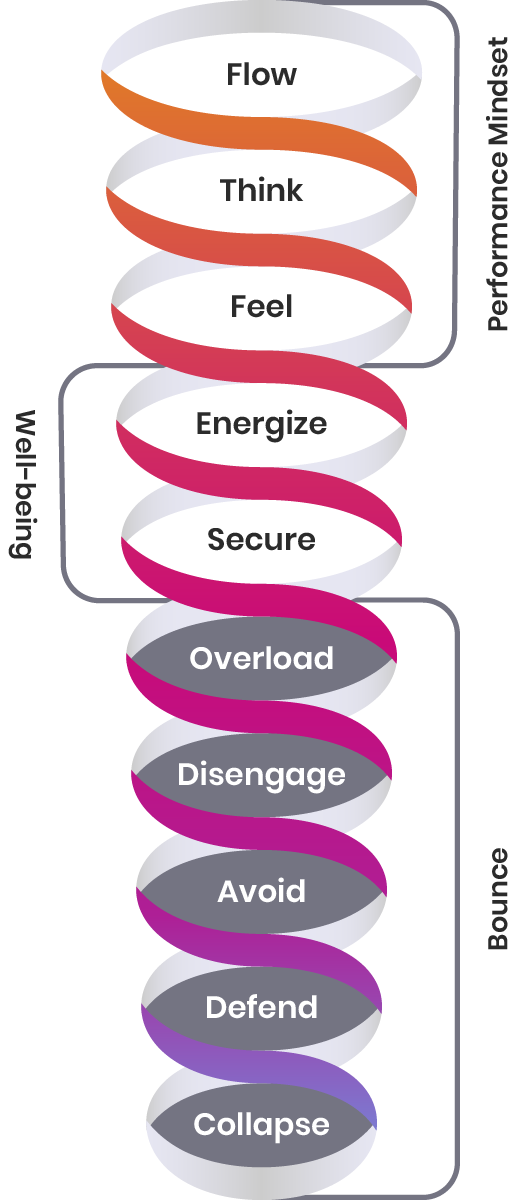
The Resilience Spiral is a diagnostic and development model that describes our quality of experience and altitude in life. Our altitude can be high, where we feel clear, energized, and focused, or low, where we experience pain, suffering, and negativity. The journey through the spiral involves moving up and down these states, influenced by our physical, emotional, and mental conditions.

Integral Approach in the Context of Spiral Models

In the context of the Resilience Spiral, “integral” means incorporating a comprehensive, inclusive approach that accounts for various dimensions of human experience. This concept draws inspiration from other spiral models like Spiral Dynamics and Integral Theory.

Spiral Dynamics, developed by Clare Graves, Don Beck, and Chris Cowan, explores the evolution of human values and consciousness. It has been applied in global negotiations, politics, medicine, and business. Similarly, Integral Theory, proposed by Ken Wilber, is one of the most comprehensive and inclusive frameworks, integrating insights from various fields to create a unified understanding of reality.

Dr. Hansen’s Resilience Spiral integrates these approaches by combining insights from neurobiology, physiology, and evolutionary biology with practical applications for resilience. This integration ensures a holistic understanding of resilience, addressing the physical, emotional, mental, and social dimensions of human experience.

Four Key Perspectives

Dr. Hansen’s model emphasizes four perspectives to enhance resilience:

Insight – Know Yourself

Insight involves understanding your current state by checking your body, emotions, and mind. This self-awareness is crucial for improving your altitude and engaging effectively with others. Accurate terminology and self-assessment tools, like the Resilience Spiral, help in this understanding.

Mastery – Raise Your Altitude

Mastery is about knowing how to improve your state once you have identified it. This involves specific biological adjustments, such as regulating your nervous system to restore calm and readiness. Building physical, emotional, and mental skills through practices like good sleep, emotional control, and focused attention is essential.

Empathy – Understand Others

Empathy is the ability to accurately read and respond to the physical, emotional, and mental states of others. This skill requires deliberate practice and is vital for effective social interactions and leadership. High altitude enables better empathy and connection.

Altruism – Raise the Altitude of Others

Altruism involves actions that help others improve their state, reducing suffering and enhancing quality of life. Effective altruism is built on the foundations of insight, mastery, and empathy, leading to resilient individuals, communities, and ultimately, a resilient planet.

The Resilience Journey

The journey through the Resilience Spiral begins with the foundational state of being secure. This state is characterized by a calm, engaged physiology, typically achieved through practices like slow breathing, meditation, and yoga. Once secure, the focus shifts to physical vitality, emotional agility, and mental skills.

Secure

Achieving a secure state involves calming the body and mind, often through external cues of safety or self-regulation techniques. This state is essential for effective functioning under stress.

Energize

Physical vitality, achieved through fitness, nutrition, sleep, and daily rhythms, is crucial for maintaining energy and resilience. Investing in physical health significantly enhances overall resilience.

Feel

Emotional agility and social engagement are the next steps. Positive emotional states and social connections enhance our ability to think clearly and make effective decisions.

Think

Mental skills like focus, optimism, and agility are most effective when built on a foundation of physical and emotional stability. In this state, the mind becomes a powerful tool for creativity and problem-solving.

Flow

The ultimate state of resilience is flow, where we engage in challenging tasks with skill and productivity. Flow states are deeply fulfilling and require years of dedicated practice to achieve consistently.‍

Practical Application and Leadership

The Resilience Spiral is not just a personal tool; it is also valuable for leaders and organizations. By understanding and applying the principles of the spiral, leaders can enhance the resilience of their teams and create a positive, productive culture. Practical steps include regular self-assessment, practicing bounce tactics, and fostering an environment that supports physical, emotional, and mental well-being.

Leading with the Resilience Spiral

Leaders play a crucial role in shaping the resilience of their teams. By viewing resilience from an integral perspective, leaders can understand the layers of culture and influence positive change. This involves recognizing and addressing the physical, emotional, and mental states that define how people experience work.

For instance, during the COVID-19 pandemic, many organizations witnessed increased fear and anxiety among employees. Leaders who understood the Resilience Spiral could implement strategies to elevate the collective altitude, such as promoting secure states through clear communication, supporting physical vitality with wellness programs, and fostering emotional connections through team-building activities.

Conclusion

The Resilience Spiral, developed by Dr. Sven Hansen, provides a comprehensive framework for understanding and enhancing resilience. By focusing on insight, mastery, empathy, and altruism, individuals and organizations can navigate adversity, grow, and thrive. The journey through the spiral is ongoing, requiring continuous practice and commitment, but the rewards are a life filled with clarity, energy, and meaningful engagement.

Understanding resilience through an integral lens ensures a holistic approach that addresses all dimensions of human experience. By integrating insights from various fields and applying them in practical ways, the Resilience Spiral offers a powerful tool for personal and organizational growth. Embrace the Resilience Spiral and embark on your journey towards a more resilient, fulfilling life.

Original Source: https://resiliencei.com/blog/what-is-the-resilience-spiral/

Metacognition: The Key to Self-Awareness and Resilience

Metacognition is a powerful tool that enables us to understand our own thinking processes. It’s the ability to think about our thoughts, to monitor and regulate them, and to use this self-awareness to make better decisions. This self-reflective process is crucial for building resilience, as it allows us to recognize and adjust our mental patterns in the face of adversity.

What is Metacognition?

Metacognition, often described as “thinking about thinking,” refers to the awareness and control of our cognitive processes. It involves two main components: knowledge of cognition and regulation of cognition.

Knowledge of cognition refers to understanding what we know and how we learn. This includes our awareness of our strengths and weaknesses in processing information, solving problems, and making decisions.

Regulation of cognition involves the ability to plan, monitor, and evaluate our cognitive activities. This includes setting goals, selecting strategies to achieve those goals, and adjusting our approach based on feedback.

In simple terms, metacognition is about being aware of how we think, recognizing our thought patterns, and consciously guiding them to improve our outcomes. It’s a higher-order thinking skill that allows us to become more effective learners and problem solvers.

Why is Metacognition Important for Resilience?

Resilience is the capacity to recover quickly from difficulties, and metacognition plays a vital role in this process. When we face challenges, our thoughts can either propel us forward or hold us back. Metacognition enables us to examine these thoughts critically, identify unhelpful patterns, and replace them with more constructive ones.

For example, if you find yourself ruminating on a failure, metacognition allows you to recognize this negative loop and intervene. Instead of being trapped in self-doubt, you can consciously shift your focus to what you’ve learned from the experience and how you can grow from it. This shift in perspective is essential for resilience, as it helps you maintain a positive outlook and stay motivated in the face of adversity.

Moreover, metacognition fosters emotional regulation. By being aware of your emotional responses and the thoughts that trigger them, you can better manage your emotions during stressful situations. This ability to regulate emotions is a cornerstone of resilience, as it helps you stay calm and focused when confronted with challenges.

How to Increase Metacognition

Enhancing your metacognitive abilities involves developing greater self-awareness and adopting practices that promote reflective thinking. Here are some practical strategies to boost metacognition:

1.Practice Self-Reflection

Regular self-reflection is key to developing metacognition. Set aside time each day to reflect on your thoughts, decisions, and actions. Ask yourself questions like: What was I thinking at the time? Why did I make that choice? What could I have done differently? This practice helps you become more aware of your cognitive processes and identify areas for improvement.

2.Keep a Thought Journal

A thought journal is a powerful tool for tracking your thought patterns over time. Write down your thoughts, especially during challenging situations, and note how they influence your emotions and actions. Reviewing your journal entries can help you spot recurring patterns and triggers, allowing you to make conscious adjustments to your thinking.

3.Set Cognitive Goals

Just as you set goals for your physical health or career, set goals for your thinking. For example, you might aim to improve your problem-solving skills or become more aware of your biases. Setting specific, measurable cognitive goals gives you a clear focus for your metacognitive efforts and helps you track your progress.

4.Engage in Mindful Meditation

Mindfulness meditation is a practice that enhances metacognition by increasing your awareness of your thoughts and feelings in the present moment. By observing your thoughts without judgment, you can develop a deeper understanding of your mental processes and learn to let go of unhelpful patterns. Regular mindfulness practice can also improve your ability to focus and make thoughtful decisions.

5.Seek Feedback

External feedback is invaluable for developing metacognition. Ask for feedback from trusted colleagues, friends, or mentors about your decision-making and problem-solving approaches. This external perspective can highlight blind spots in your thinking and offer insights that you may not have considered. Use this feedback to refine your metacognitive strategies.

6.Question Your Assumptions

Assumptions are often the root of unproductive thinking. Challenge your assumptions by asking yourself why you believe something to be true. Are there alternative explanations? What evidence supports your belief? By critically examining your assumptions, you can break free from rigid thinking and open up new possibilities.

7.Use Metacognitive Prompts

Metacognitive prompts are questions or statements that encourage reflective thinking. For example, before starting a task, you might ask yourself, “What do I already know about this?” or “What strategies can I use to succeed?” After completing a task, you could reflect on what went well and what could be improved. These prompts keep you engaged with your cognitive processes and help you develop better strategies over time.

Reducing the Risk of Cognitive Bias

Cognitive biases are common pitfalls in thinking that can undermine resilience. Metacognition helps you recognize and counteract these biases. Here are some strategies to reduce the risk of falling into cognitive traps:

Slow Down Your Thinking: When making decisions, take your time. Fast thinking often leads to biases, while slowing down allows you to consider different perspectives and make more informed choices.

Consider the Opposite: Deliberately consider the opposite of what you believe or plan to do. This strategy, known as “considering the opposite,” helps you identify potential flaws in your reasoning and reduces the impact of confirmation bias.

Balance Optimism with Realism: While it’s important to stay positive, metacognition encourages a balanced view. Acknowledge potential risks and challenges while maintaining an optimistic outlook. This balanced approach helps you stay resilient without becoming complacent.

Conclusion

Metacognition is a vital skill for resilience, enabling you to navigate life’s challenges with greater self-awareness and control. By understanding and regulating your thoughts, you can make better decisions, manage your emotions, and adapt to changing circumstances. Developing metacognition is an ongoing process, but with practice, it can become a powerful tool for building resilience and achieving personal growth. Remember, the journey to resilience begins with a single thought—one that you choose to guide with intention and clarity.

Original Source: https://resiliencei.com/blog/metacognition-the-key-to-self-awareness-and-resilience/

Creativity: The Lifeblood of Resilience

Creativity is often associated with art, music, and innovation. But at its core, creativity is about problem-solving and adaptability. It’s the ability to look at challenges from multiple perspectives and find new solutions. In a world filled with uncertainty, creativity is not just an asset; it’s a necessity for resilience.

What is Creativity?  

Creativity is the mental process of generating new ideas, solutions, or approaches. It’s about thinking outside the box, challenging conventional wisdom, and exploring the unknown. Creativity isn’t limited to artists or designers; it’s a universal human trait that can be harnessed in any field, from business to science to personal growth.

Creativity is often misunderstood as something innate—a talent that only a select few possess. But research shows that everyone has creative potential. It’s a muscle that can be developed and strengthened over time with the right mindset and practices.

Why is Creativity Important for Resilience?

Creativity is crucial for resilience because it allows us to adapt to change. Life is unpredictable, and rigid thinking can trap us in unproductive patterns. When we face adversity, creativity provides the flexibility to pivot, innovate, and find new paths forward.

Resilience is about bouncing back from setbacks. But it’s also about bouncing forward—using challenges as a springboard for growth. Creativity enables us to transform difficulties into opportunities, to see beyond the immediate problem, and to imagine alternative futures.

In a practical sense, creativity helps us manage stress. When we’re stressed, our thinking can become narrow and reactive. Creativity opens up our thinking, allowing us to see multiple solutions instead of being stuck on a single problem. This cognitive flexibility reduces feelings of overwhelm and fosters a sense of control.

How to Increase Creativity

If creativity is a key to resilience, how can we nurture it in our lives? Here are practical steps backed by research to help you unlock and enhance your creative potential.

1.Cultivate Curiosity

Curiosity is the foundation of creativity. It’s about being open to new experiences, asking questions, and seeking out knowledge. To boost your creativity, embrace a learner’s mindset. Explore topics outside your usual interests, read widely, and engage with people who have different perspectives. The more diverse your input, the richer your creative output.

2.Create a Safe Space for Creativity

Creativity flourishes in environments where people feel safe to take risks. This applies both to physical spaces and to the psychological atmosphere. Design a space that inspires you, whether it’s a corner of your home or an office filled with objects that spark joy. More importantly, create a mental space where you give yourself permission to fail. Remember, creativity thrives on trial and error. Allow yourself to experiment without the fear of judgment.

3.Practice Mindfulness

Mindfulness, the practice of being present and fully engaged in the moment, has been shown to enhance creativity. When we’re mindful, we’re more aware of our thoughts and feelings, which allows us to tap into deeper levels of creativity. Regular mindfulness meditation can help quiet the mind, reduce mental clutter, and open the door to creative insights.

4.Embrace Constraints

It may seem counterintuitive, but constraints can actually fuel creativity. Limitations force us to think differently and find innovative solutions. When faced with a problem, try imposing constraints on yourself—like time limits, resource restrictions, or specific guidelines. These constraints can push you out of your comfort zone and lead to more creative outcomes.

5.Engage in Play

Play isn’t just for children; it’s a powerful tool for adults to stimulate creativity. Play allows us to relax, let go of inhibitions, and explore ideas freely. Engage in activities that bring you joy and make you feel alive—whether it’s painting, playing a musical instrument, or simply daydreaming. Playfulness reduces stress and encourages the kind of spontaneous thinking that leads to creative breakthroughs.

6.Collaborate with Others

Creativity doesn’t have to be a solo endeavor. In fact, collaborating with others can spark new ideas and perspectives you wouldn’t have considered on your own. Engage with people who challenge your thinking, who bring different skills and knowledge to the table. Brainstorming with others can lead to richer, more innovative solutions than working alone.

7.Reflect and Recharge

Creativity isn’t a constant state; it ebbs and flows. To maintain your creative energy, it’s important to take time for reflection and recharging. After a period of intense creative work, step back and give your mind a break. Go for a walk, engage in a different activity, or simply rest. This downtime allows your brain to process and incubate ideas, leading to new creative insights when you return to your work.

Reducing the Risk of Creative Block

Creative block is a common challenge, but it’s not insurmountable. Here are some strategies to overcome it:

Change Your Environment: Sometimes, a change of scenery can reignite your creativity. Move to a different room, go outside, or rearrange your workspace.

Break the Routine: Routine can be the enemy of creativity. Shake things up by trying new activities, meeting new people, or tackling problems from a different angle.

Practice Self-Compassion: Be kind to yourself during periods of creative drought. Understand that creativity has cycles, and it’s okay to take a break when you need it. The more you pressure yourself to be creative, the more elusive it can become.

Conclusion

Creativity is a vital component of resilience. It empowers us to navigate life’s challenges with flexibility and innovation. By cultivating creativity, we not only enhance our ability to adapt but also enrich our lives with new possibilities. Remember, creativity is not just about coming up with new ideas; it’s about seeing the world with fresh eyes and having the courage to explore the unknown. In doing so, we build the resilience to thrive, no matter what life throws our way.

Original Source: https://resiliencei.com/blog/creativity-the-lifeblood-of-resilience/

How Resilience Enables Values-based Leadership

In my discussions with leaders around the world, the challenge is clear: how do we maintain high performance while building a culture of trust, autonomy, and care?

The answer is equally clear but requires effort: embrace resilient, values-based leadership.This isn’t just a strategy; it’s a necessity for organizations that aim not just to survive but thrive.

Why Values Matter

Values-based leadership is transformative. It suggests that aligning actions with core values breeds confidence, decisiveness, and mental well-being. This alignment is the cornerstone of a purpose-driven, high-performance organization. When leaders and their teams operate incongruence with their values, they create a culture where trust, autonomy, integrity, performance, and care are not just ideals but lived experiences.

__wf_reserved_inherit
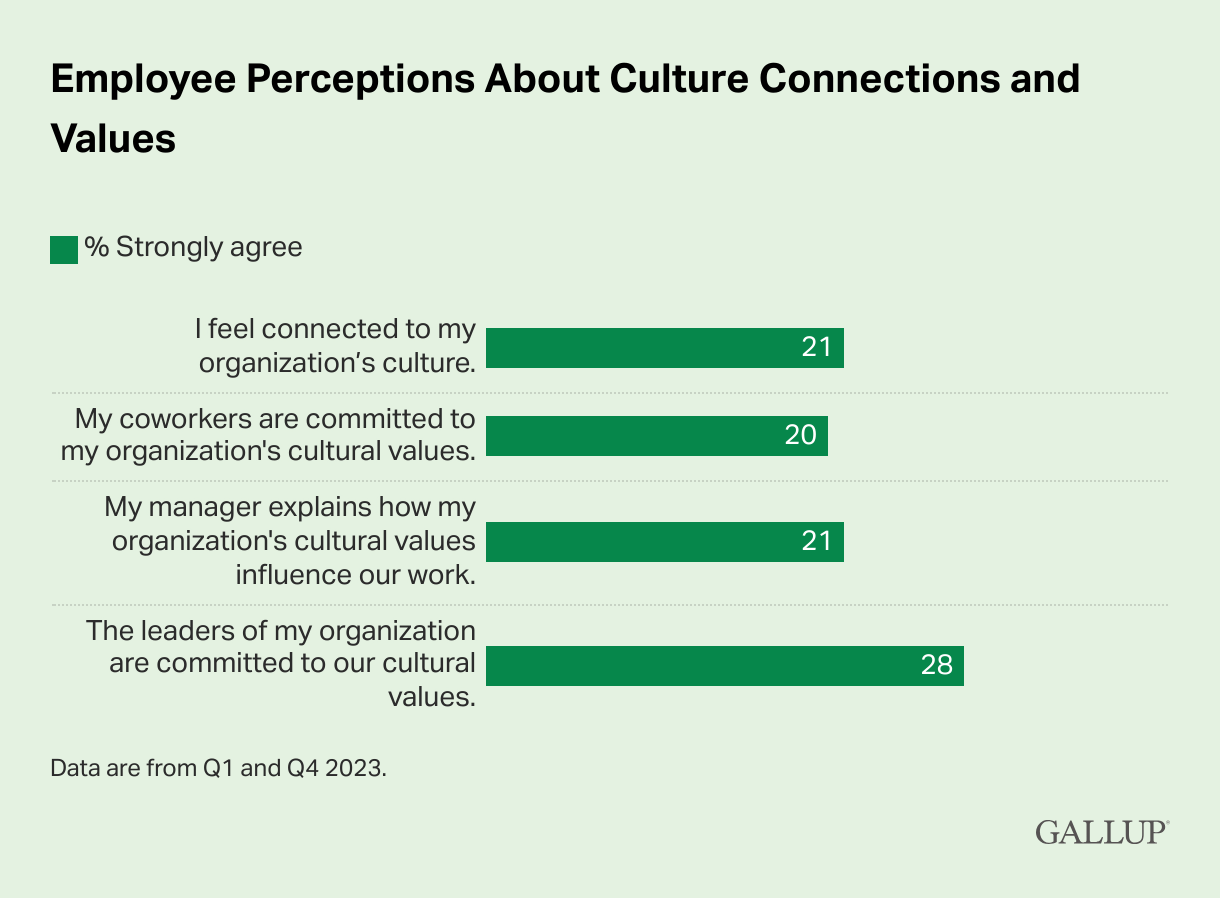
Gallup Poll results on employee perceptions about culture connections and values, Source: Gallup.com

The Problem of Distress

Yet, many organizations are mired in a state of constant distress. Overwhelm and anxiety are ubiquitous, leading to quick fixes and short-term thinking. This environment shifts us away from our values, causing unstable operations and reduced leadership effectiveness.Remember, a leader’s stress doesn’t stop with them; through emotional contagion, it spreads across the organization, eroding the very culture they might be striving to build.

Introducing Resilience

The remedy? Start by building resilience at the core of leadership. Resilience is more than bouncing back; it’s about forging ahead with confidence and clarity. It begins with understanding our resilience levels, both individually and collectively. Tools like theResilience Institute’s assessment offer a starting point, and many organizations are adopting human resilience as a KPI that enables a purpose-driven, values-based culture.

The Four-Step Plan to Building Resilience

  1. Measure Resilience: Start by measuring resilience. What are our strengths? Our risk? This understanding is foundational.
  2. Define Interventions: Targeted training programs are the next step. Focus on areas such as:
    1. Bounce: How we navigate adversity. This involves tools for self-awareness, recognizing signs of overload, and strategies for withdrawal and managing physical distress.
    2. Recovery: Techniques like Tactical Calm help establish tranquility and reset our focus.
    3. Energize Body: Well-being encompasses sleep, movement, and micro-habits that sustain our physical health.
    4. Emotional Intelligence: Managing our reactions, fostering positivity, and developing empathy are crucial.
    5. Flow: Achieving focus, presence, and a state of flow enhances our ability to adapt to situations with agility.
  3. Post-training Measurement: Assess the impact. Which areas of resilience have improved? Where do challenges remain? This holistic view informs our next steps.
  4. Map Resilience to Values: The final and critical step is linking resilience practices to organizational values. Innovation thrives on trust, calm, and flow. Boldness emerges from focus and assertiveness. Care is built on empathy and presence.

By mapping resilience to company values, we demonstrate the “how” to achieve your “why.” From aspirational words on walls in the hallway (or the About Us page of the website), your values become verbs. Instead of saying, “We value care,” employees know how to be caring.

The Power of Resilience in Leadership

Resilience is the foundation of values-based leadership. It’s about creating a leadership styleand organizational culture that is antifragile, enabling growth through challenge and change.It isn’t just about surviving; it’s about thriving. This approach doesn’t negate the reality ofchallenges or stress. Instead, it equips leaders and their teams with the tools to navigate thesechallenges without losing sight of their values.

Creating a Culture of Resilience

The impact of a resilience-focused, values-based leadership approach is profound. It leads to a culture where:

• Trust is earned and reciprocated, creating a solid foundation for all interactions.

• Autonomy is encouraged, empowering individuals to make decisions aligned with organizational values.

• Performance is enhanced, not through pressure, but through a supportive environment that recognizes and builds on each individual’s strengths.

• Care is a priority, not only for the tasks at hand but for the well-being of each team member.

__wf_reserved_inherit
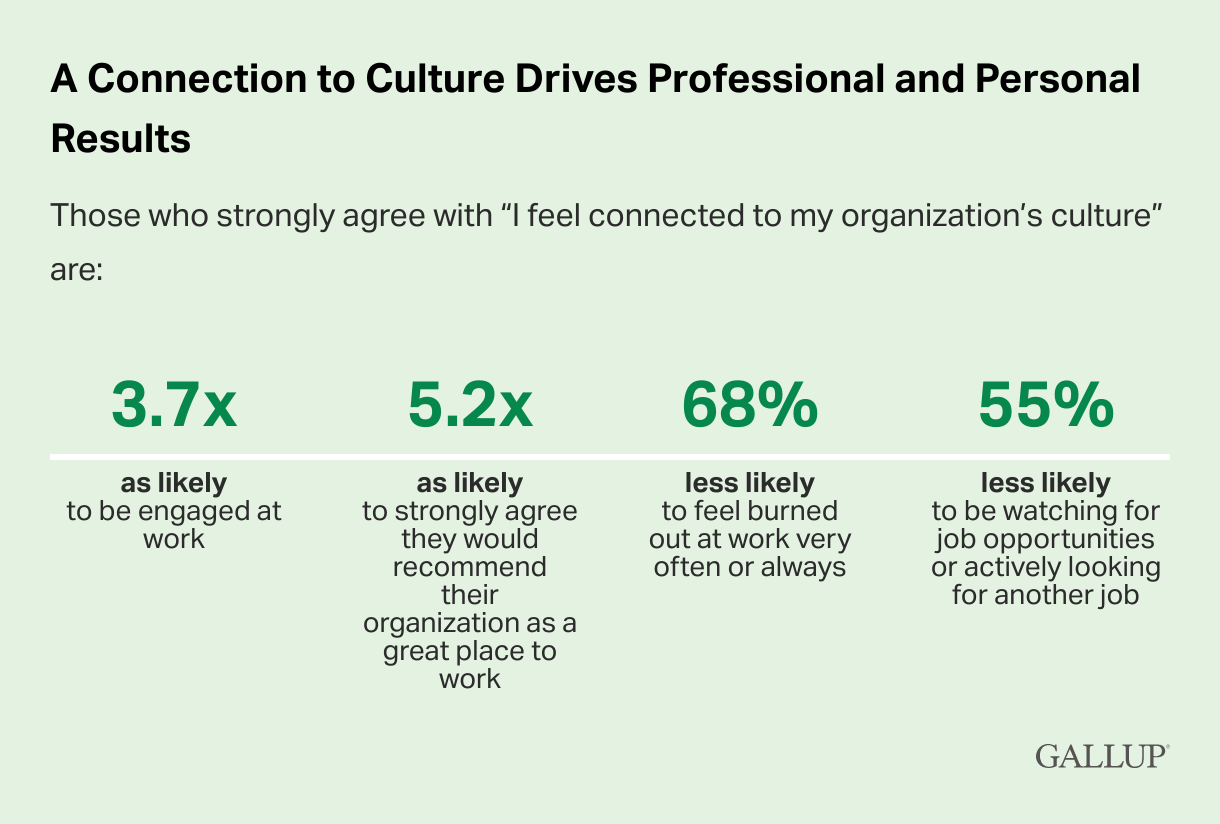
Gallup survey results on connection to culture and performance, Source: Gallup.com

Conclusion: The Resilient Leader

The journey towards becoming a resilient, values-based leader is continuous. It requires commitment, reflection, and the willingness to adapt. By embedding resilience into the fabric of leadership, we unlock the potential to not only lead with purpose but to inspire those around us to do the same.This isn’t just about building better leaders; it’s about fostering a culture that is resilient, values-driven, and equipped to face the challenges of the modern world. Resilience empowers leaders to act with intention, aligning every decision and action with their values. It is the engine that drives values-based leadership, transforming challenges into opportunities for growth and learning. As we cultivate resilience within ourselves and our organizations, we pave the way for a future where leadership is not just about navigating challenges but shaping a thriving, values-aligned future.

Original Source: https://resiliencei.com/blog/how-resilience-enables-values-based-leadership/

Science-based Tips to Improve Your Sleep

We are waking up to the importance of sleep. In our most recent research report on 23,990 resilience assessments, sleep quality ranked as the #1 most important factor in order to be in the top 10% of resilience scores. There is wide acknowledgement that human sleep is disrupted. The consequences are chilling. They undermine every aspect of a good life.

Adults get about an hour a night less than needed. Teenagers get almost two hours less than they require. We go to bed too late and are overstimulated. We sleep in to recover. We live perpetually jet-lagged. Our timing and quality of sleep are disrupted from natural rhythms.

Consequences include weight gain, diabetes, inflammation, heart disease, cancer, mental illness, dementia, and attention disorders. Not to mention crankiness. Along with alcohol, fatigue is a major cause of road accidents, safety violations, and conflict. Sleep causes a loss of productivity estimated at 2-4% of GDP. Walker quotes studies showing costs to businesses of $1,400 USD per person per year as a consequence of sleep disruption. If you don’t secure your sleep, your productivity is punished.

On the positive side, sleep is the ultimate performance and anti-ageing treatment. Get a good night’s sleep, and everything works better. You are a better version of yourself. You can jump higher, run faster, connect better, think smarter, and experience more joy.

Food and water often have been in short supply throughout our evolution. Hunger and thirst became powerful drives. Long, dark, cool nights and the danger of moving about in the dark meant that time for sleep was abundant through evolution. Compared with hunger and thirst, sleep is a weak drive.

When your sleep rhythms are broken, every rhythm of your body, emotion, and mind is disrupted.

There are three elements to lock in your sleep rhythm. Sleep timing, sleep need, and sleep quality. There is no prescription that will work for everyone. For genetic, environmental, work, and family reasons, you will have to experiment. Once you find what works for you, lock it into a non-negotiable routine.

Why is Sleep Timing Important?

Sleep timing is the best time to fall asleep and wake up each day. The circadian rhythm establishes the period during which sleep is most effective. When you sleep during the right hours for your personal clock, the quality of your sleep is optimised.

In humans, the circadian clock ranges from 24 hours to 25 hours. Sleep lags behind the 24-hour day-night cycle. There are morning people and night people: larks and owls. A lark tends to have a short clock, thus gets tired early in the evening and is ready to get up early in the morning. The owl, with a longer circadian clock, gets tired later and prefers to sleep in through sunrise.

There is a dynamic relationship between the day-night rhythm and the circadian clock. The primary rhythm is set by pre-sunrise blue light. Blue light reboots the active and alert period of your circadian rhythm through the supra-chiasmatic nucleus behind the eyes.

The best way to stabilise your clock to the day-night rhythm is to get 20 minutes of pre-sunrise blue light. This becomes the foundational rhythm for all other biological rhythms. Physical activity, light, coffee or tea, social activity, refined carbohydrates, and mental habits can also adjust your circadian clock, for better or for worse.

Blue light in the evening will wake you up right when you need to prepare to sleep. We come home to blue LED lighting, TV screens, laptops, and mobile devices. In addition, we socialise, drink, and eat late. Your clock gets pushed toward later sleep onset.

Sleep Phase Delay is a common sleep disorder that pushes us to sleep too late. We are perpetually jet-lagged and pressed into behaving more like an owl. There are established physical and mental health risks for the owl pattern. Recent studies show that there may be benefits to behaving more like a lark. This is certainly true for a lark and looks hopeful for the owl.

Beware of the weekend sleep-in. Roughly 30% of our clients sleep in later through the weekend to catch up on sleep. This is exaggerated in males under 30. After a busy and sleep-deprived week, sleeping into the day allows your circadian clock to “free-run” a couple of hours into the next day. The quality of this “extra” sleep is poor. It leaves you jetlagged through the next week.

The single most effective action to start is to wake up with or before dawn. Ideally, be outside in dawn blue light. This is especially true on weekends. The best blue light is just before sunrise.

Tracey, a participant on a course some years back, argued vehemently against losing the pleasure of a weekend sleep-in. Six months later, she grabbed my shoulder on a flight. She said: “When you explained the importance of wake-up times, I hated you. However, my husband and I have followed your plan. Our energy and our weekends have improved dramatically. Thank you”.

Next, you must take care of the cool-down period. If you rise early and press into the night with blue-light stimulation, you will sleep-deprived. Sadly, many ask me what they can do if they cannot stare at and fidget on a screen.

Our needs are different. I suggest that for 90 minutes before sleep, you read a book, play a game (cards, jigsaws, board games), meditate, write (in a journal or notepad, not via a screen), talk, take a walk, stretch, take a bath, or make time for intimacy.

It is essential to avoid blue light from screens before sleep. Replace LED lighting with soft yellow lighting. Eat dinner early. Limit alcohol.

DiagramDescription automatically generated

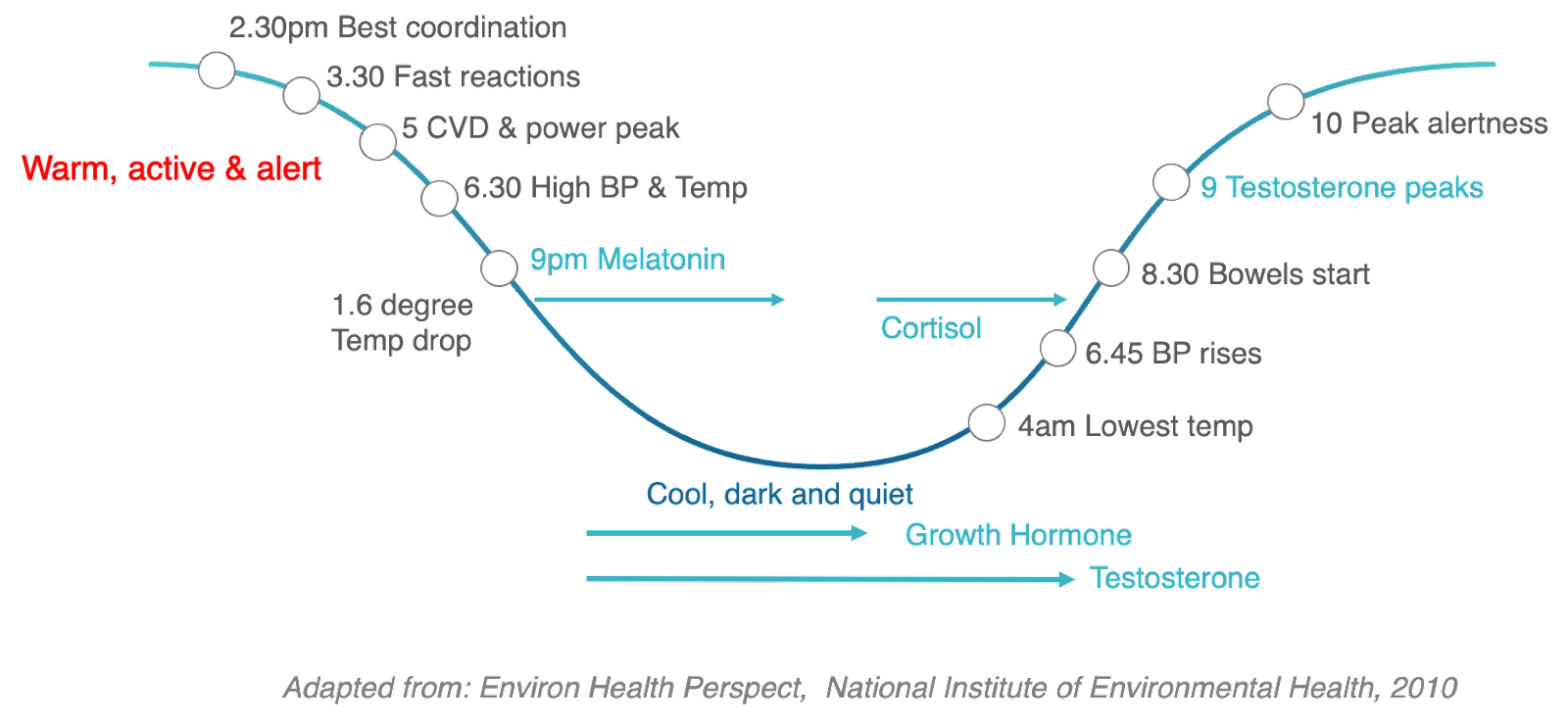
Figure 1: Schematic illustration of the circadian cycle

During this period, you want to shift heat from your core to your periphery. The body releases melatonin in the evening to help cool your core temperature slightly. When exposed to blue light, melatonin is compromised. An easy walk outside or a cool bedroom will help. Aim for 18 degrees Celsius (about 65 degrees Fahrenheit) or cooler if possible. Intense exercise in the four hours before sleep is not recommended as it increases your core temperature. A cold shower or ice bath is helpful to some.

The final key is to apply your Tactical Calm techniques as you relax into sleep. Lie relaxed and flat on your back. Soften your face and chest. Breathe slowly, with your attention resting peacefully on the rise and fall of your belly.

Sleep Quantity Varies Per Person

Sleep need is widely agreed to be somewhere between six and a half and eight hours. It is based on the S-phase, the requirement for the body to sleep for a period of each day. If we sleep too little or too much, the prospect of a good life declines fast. Every species has its own sleep need. We need more than most mammals our size. Our overdeveloped brain demands it.

Experiment and study your own requirement. The natural way is to go camping, live by natural light for three days and see what happens. Many people now use sleep trackers. Buy or borrow one and watch your sleep for a fortnight.

When you review the data on a sleep tracker, you will notice that your body keeps hunting for a consistent sleep period. Pay attention to how you feel when you get it and when you miss or exceed it. In my case, the magic number is seven hours and twenty-two minutes. When I get it right, I feel refreshed. Too little or too much, and I feel sleepy or lethargic.

The Science Behind Sleep Quality

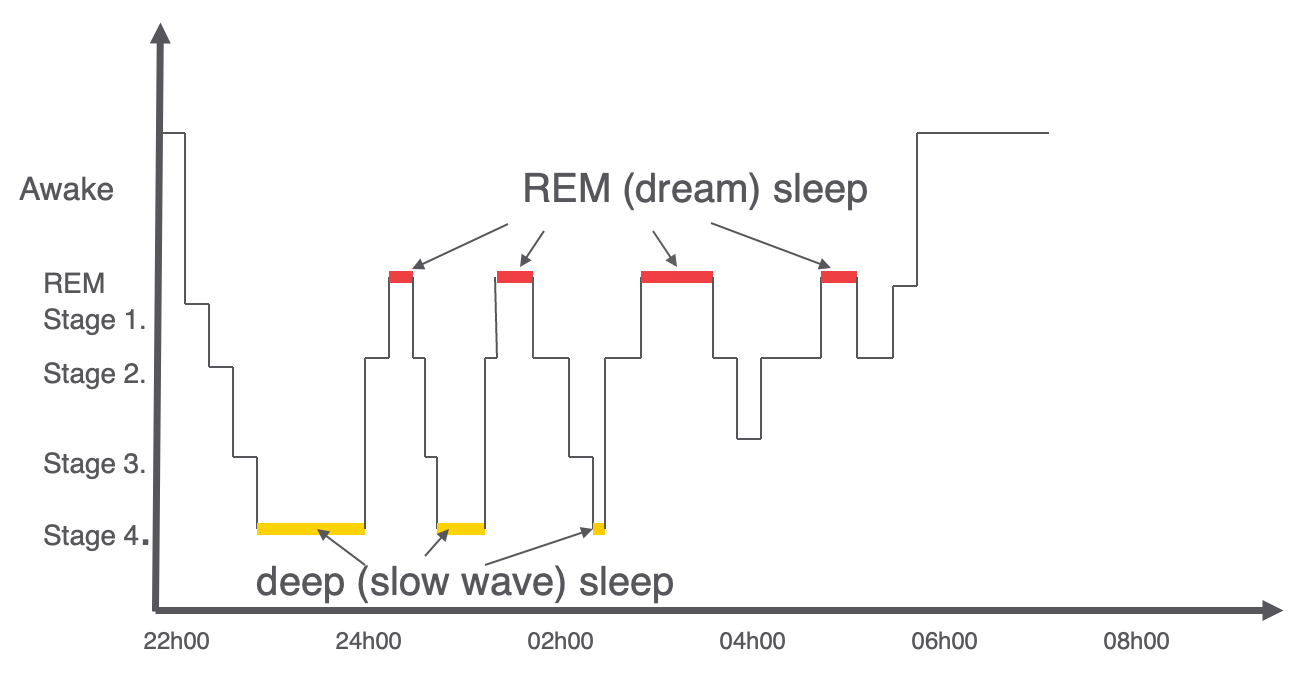
Once you have established the right timing and protected your sleep need, the next challenge is to get your ultradian rhythm working. Think of this as your sleep-depth rhythm. The ultradian rhythm is a 90-minute cycle that allows for roughly two cycles of deep sleep followed by two or three cycles of dream sleep. When you get this right, the rejuvenation effects of sleep are optimised.

Simple trackers will give you an immediate, rough indication of your deep, light, and dream sleep. For an adult, approximately 25% of sleep is in deep (slow-wave) sleep, 25% in dream or rapid eye movement (REM) sleep, and 50% in light sleep. Your teenager and child need more deep sleep as well as more sleep.

In the cycles of deep sleep that follow falling asleep, the brain and body are both quiet. Core body temperature drops. This is the time for the repair and rejuvenation of cells. Growth hormone and testosterone production activate. The cardiovascular system slows right down. Immunity improves.

In light sleep, the body is more active and in transition.

During the dream cycles through the early morning hours, the brain is active while the body is paralysed. If not, we might act out our dreams and sleepwalk. Dreaming sleep facilitates memory, learning, creativity, emotional intelligence, and recovery from traumatic experiences.

Figure 2: Schematic illustration of the sleep cycles and ultradian rhythm

Deep sleep is prioritised if you are deprived of sleep. The best deep sleep comes in the 10 p.m. to 2 a.m. period. As we get older, deep sleep is less effective. Deep sleep is an effective longevity tactic.

Late nights compromise your dream sleep cycles. To reduce mental illness and anxiety in young people, an obvious first step is to help them get to sleep earlier so that they complete their dream sleep. Quality sleep will reduce the suffering caused by attention disorders, anxiety, and depression. As parents, we have two key responsibilities to our children. First, get devices out of the bedrooms. Second, maintain a regular, blue-light-infused wake-up time.

There will be times when healthy sleep is disrupted. Accept this calmly and make it up quickly. The best solution, if you need to repay sleep debt, is to go to bed the next night an hour or so early. Eat early or eat less at night. Remove all devices, cool the room, and read a book. You may like to test a light surgical tape over the lips to prevent snoring and encourage nasal breathing.

Why You Should Stop Thinking in Bed

In my experience, about a third with sleep difficulty wreck sleep with unhelpful thinking. When you secure a good night’s sleep, there is no conscious thought. It is easy to let a storm of thoughts into your bed. Worry (repetitive thoughts about the future) will generate anxiety and destroy sleep. Rumination (repetitive thoughts about the past) will generate sadness or anger and destroy sleep.

Ban thinking from the bedroom. If thoughts arise, refocus on slow diaphragmatic breathing. Watch the rise and fall of your belly. Feel your body relax and dissolve on the exhalation. With a few weeks of practice, you will be amazed how your mind stops bothering you. Make it a habit and stay committed. Sleep can be very peaceful.

Finally, a short power nap of ninety seconds to fifteen minutes is another effective way to catch up on sleep. Ideally, the best time is just after lunch. Find a private, quiet, cool, and dark place. Set the alarm. Use your breathing to drop off more quickly. If sleep does not come, simply enjoy the rest.

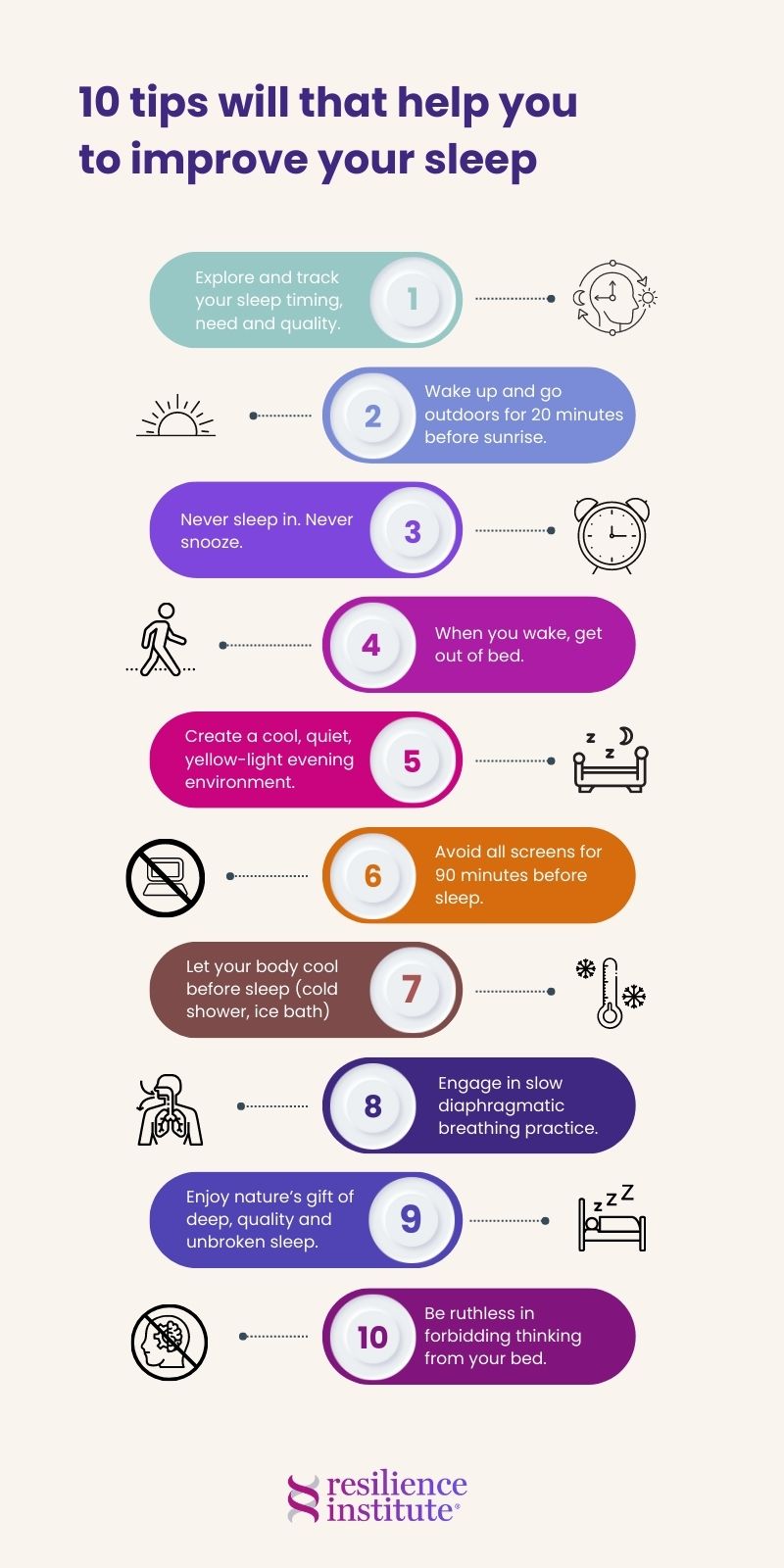
In summary, these 10 tips will help you to improve your sleep:

  • Explore and track your sleep timing, need and quality.
  • Wake up and go outdoors for 20 minutes before sunrise.
  • Never sleep in. Never snooze.
  • When you wake, get out of bed.
  • Create a cool, quiet, yellow-light evening environment.
  • Avoid all screens for 90 minutes before sleep.
  • Let your body cool before sleep (maybe a cold shower or ice bath?)
  • Engage in slow diaphragmatic breathing practice.
  • Enjoy nature’s gift of deep, quality and unbroken sleep.
  • Be ruthless in forbidding thinking from your bed.

Sources:

Walker, Matthew, Why We Sleep, Penguin, 2107. A very popular and helpful overview of sleep science.

Nestor, James, Breath, Penguin Books, 2020.

Original Source: https://resiliencei.com/blog/science-based-tips-to-improve-your-sleep/