Women Illustration
Overview of the personalised Resilience Assessment Report

See how we measure Resilience and the detailed insights into individual strengths and growth areas.

Download Report

A History of Resilience: One Founder’s Perspective

  • Resilience, as a business and health concept, went from a peripheral, almost fringe idea in the early 1990s to a mainstream field now attracting billions in investment.
  • The field’s biggest ongoing challenge isn’t a lack of evidence, it’s fragmentation: dozens of overlapping terms, disciplines, and providers competing to define what “resilience” actually means and how to measure it well.
  • Organisations invest in resilience for three distinct reasons, genuine care, economic return, or fear of risk, and the strongest solutions address all three at once rather than picking one.

This is a personal history, told from the perspective of Resilience Institute’s founder, reflecting on decades spent building a field that didn’t really exist as a business category when it started. It’s a reflection written from a particular point in time, its predictions about the future of resilience are exactly that, predictions, worth reading as one experienced practitioner’s view rather than settled fact.

With a professor-of-paediatrics father, a psychiatric-social-worker mother, two competitive brothers, a background in special forces, triathlon, ocean swimming, surfski racing, medicine, and an MBA, building a resilience business seemed like it should have been straightforward. It hasn’t been. It’s been long, complex, and genuinely difficult, even while helping tens of thousands of people and many organisations along the way. Scaling what should, on paper, be a very good business has been maddeningly slow.

In the early days, family and medical colleagues were openly sceptical. Executives found the whole idea strange. Why build resilience deliberately, the thinking went, when it’s genetic? Why would an organisation involve itself in the personal territory of an employee’s health, suffering, emotions, and thoughts? Why prevent disease at all when treating it is so much more lucrative?

Today, “resilience,” alongside a long list of overlapping synonyms, sits at the centre of parenting, education, business, NGOs, government, infrastructure, ecosystems, and sport. Billions are being invested in new ventures. It’s become something of a celebrity feeding frenzy, genuine experts working alongside gurus, placebos, and outright scams. This reflection covers the big challenges, the foundations that actually matter, the science and evidence, real mistakes made along the way, and where the field might be heading.

Discovering Resilience

“Resilience” first entered my consciousness in 1994, through Daryl Conner’s Managing at the Speed of Change, which introduced the concept’s role in leading organisational change. The underlying idea wasn’t new. My parents had spent their careers using medicine to shape better lives. Sport taught me the discipline required for genuine expertise. Special forces training revealed the real depth of human will. Sports medicine gave the whole thing a modern scientific frame. My own angle on it was simple: could business and organisations be used to build the capacities of excellence across more communities, not just individuals who could already afford it?

At the time, health insurers had already studied the impact of simple physical wellbeing programmes. A good programme combined leadership engagement, health risk assessment, and relevant lifestyle education, and the early studies were consistent: health risk factors dropped, sickness events and costs fell, absenteeism and turnover declined, and morale and productivity improved. Health status improved, sickness-care costs fell, and organisations saw a genuine positive return, studies of the era suggested a net present value of $2 to $3 for every $1 invested, in a US market carrying roughly double the health costs of most developed economies. In publicly funded health systems, the financial incentive for organisations to manage health risk directly was far weaker.

In 1989, we were building simple health risk assessments and basic workshops on exercise, nutrition, and health risk management. By 1992, I’d built the first version of a health check designed to be completed electronically. Early adopters existed, but they were almost entirely senior executives and professionals.

A client asking for “stress management” to be added to an executive health programme led me to Merv Dickinson, who held a PhD in leadership psychology. Together we designed interventions to build self-awareness and self-mastery, and that partnership became the foundation of our work in executive leadership development. Merv mentored me directly into the territory of emotion, mind, and spirit, and how to actually facilitate leadership teams through it. Our first resilience programmes launched from there, and genuinely progressive businesses started paying attention.

After an MBA and five years running an executive health clinic, Resilience Institute finally launched. The intent was clear: engage leaders directly, run genuinely rigorous health assessments, and deliver evidence-based, motivational workshops that actually changed behaviour. It worked. Physical, emotional, and mental measures moved in the right direction, and the engagements themselves carried real, visible energy.

Through most of the 2000s, competition was minimal, the market was tiny, and the whole concept sat at the periphery of business thinking. Building a viable business in that environment was genuinely tough, but it was a productive stretch. We ran health checks on thousands of people, delivered hundreds of workshops, and brought the concept into Australia, learning along the way how to collect and present health and resilience data properly, while respecting privacy and security.

As emotional intelligence, neurobiology, and the resilience concept itself matured, training with Daniel Goleman and later Andrew Shatte sharpened how we assessed and coached the emotional and cognitive dimensions of resilience directly. Small teams formed across Australia, Europe, Singapore, and the UK, and our reputation grew steadily through organisations like PwC, GE, AXA, and several major banks, each pushing our thinking further.

By 2014, digitising further was clearly necessary. Training was moving online, and the app economy was expanding fast. We ran psychometrics and analytics across our assessments, experimented with new platforms, converted our workshop content into short micro-training videos, and began exploring how tracking and artificial intelligence could be built directly into the platform. The Resilience app was born out of that period.

At the same time, the wider world woke up to resilience. It went mainstream. Organisations actively sought it out. Entrepreneurs, scientists, and celebrities rushed in to build businesses doing good while making money, with enormous variability in quality, from overnight charlatans to genuinely credible, deep specialists. Hundreds of start-ups now invest billions building solutions, and the self-improvement app market has expanded into the tens of thousands of individual products. Established consulting firms have rebranded themselves as experts overnight. It’s a genuinely chaotic market, whether you’re a provider, an organisational buyer, or an individual trying to make sense of it all.

Defining Resilience

Resilience today sits roughly where logistics sat during World War II: the challenge is integrating a vast number of interacting, moving parts, each guarded by specialists defending their own domain and hoping to dominate the solution. Will it be sports scientists, psychologists, neurobiologists, doctors, coaches, technology companies, or the major consultancies who define the field? The honest answer is probably some combination of all of them, which is exactly the problem.

The first real challenge is language. “Wellness” means different things to different people, and depression alone can legitimately be addressed through multiple, genuinely different approaches. Are you buying wellness, mental health, wellbeing, emotional intelligence, mental skills, stress mastery, peak performance, or medical services? Making sense of both the need and the right solution requires two axes: level of function, from diagnosed disease through to genuine excellence, and the specific territory being addressed. Testing your own understanding against both axes tends to expose real confusion fast, and providers, purchasers, and researchers would all benefit from more of that clarity up front.

The second challenge is integrating these concepts into a realistic, evidence-based, practical framework, one that respects each contributing field without letting any single one claim the whole territory. A psychologist might initially believe CBT is the only real answer to depression, and with genuine wisdom and flexibility, come to acknowledge that sleep, fitness, connection, breath training, or medication may work better for a given client. A good diagnostic and development model defines level of function and the realistic options available, since even genuine experts experience mental illness themselves, and people who are genuinely unwell can still benefit meaningfully from non-medical interventions alongside clinical care. Some people naturally understand the world through a physical lens; others through emotion, mind, or a more spiritual frame. There are many legitimate paths to resilience, and a good coach, trainer, or consultant recognises which lens a given client is actually using and adjusts accordingly, rather than insisting on one universal framework.

Measuring Resilience

Any assessment can increase self-awareness to some degree, but a genuinely good one has to be evidence-based, integrated across domains, and practical. Most existing tools rest on a single framework, say CBT, address a single level of function, typically depression, and cover only one dimension of resilience, usually mental or emotional. Many psychological assessments were originally built and validated on university student populations, and don’t always translate cleanly to other communities.

A genuinely good assessment needs to be clear, simple, appropriately short, reliable, and valid, which takes years of psychometric work across different populations, real experimentation with reporting formats, and careful evaluation of whether interventions actually move the needle. The web and mobile apps have transformed the practical ability to run assessments at scale, but people only complete them consistently if the experience itself is genuinely compelling.

Wearable technology now adds objective measures directly, steps, heart rate, sleep, heart rate variability, even blood pressure, which combined with subjective self-report is pushing assessment tools toward real power: potentially a coherent panel spanning physical measures (heart rate, blood pressure, heart rate variability), emotional measures (heart rate variability, the ratio of positive to negative emotion), and mental measures (focus duration, task-switching, idea generation, situational agility).

Evidence for Resilience

Investment decisions tend to come from three distinct places. Some organisations invest because it’s genuinely the right thing to do, they value their people, want to reduce suffering, and want to be recognised as a good employer; their people tend to engage wholeheartedly as a result. Others invest purely on economics, asking specifically what financial return the investment produces; if the numbers don’t clearly show it, they simply aren’t in the market, regardless of what their people might actually need. Others invest out of fear, which is exactly why safety and mental health services can be so lucrative: these organisations are genuinely afraid of risk and being held publicly accountable, so they gravitate toward mitigating risk concentrated in a small number of people while the broader workforce quietly disengages.

A genuinely good resilience solution addresses all three motivations at once: helping organisations understand and mitigate real risk, improving the function and productivity of their people, and supporting a genuine claim to being a good employer. Demonstrating that value convincingly is difficult, expensive, and time-consuming, requiring an evidence-based, integrated framework, an effective assessment, a comprehensive reporting dashboard, both face-to-face and digital engagement, meaningful goal-setting, and follow-up reassessment over time.

There is genuinely good evidence that resilience initiatives deliver real results. Many providers still focus narrowly on single-factor gains, health improvement, positivity, optimism, in isolation. Resilience Institute’s own data shows something broader: resilience as a whole improves following training, and every one of the underlying categories and factors measured shows improvement in post-training assessment, not just the single metric a narrower programme might target. A genuinely good assessment can also pinpoint exactly where an individual or organisation’s risks and strengths sit, so training investment can be targeted precisely rather than applied uniformly, which remains one of the biggest open opportunities for organisations that take this seriously.

The Future of Resilience

Many of the classic survival-era risks and fitness tests have been engineered out of daily life for most people. Natural selective pressure is, for now, largely held at bay. Much of the physical, emotional, and mental suffering that remains traces back to self-neglect: the pressures of modern life produce a slow-burn distress that human physiology genuinely isn’t well prepared for. The costs, lifestyle disease, loneliness, distress, anxiety, depression, are enormous and continuing to grow. With nature’s usual pressures largely removed, communities, families, and individuals increasingly have to take ownership of resilience directly. Neglecting body, emotion, and mind carries a real personal and community cost; deliberately building these resources produces real, outsized benefit, especially when nature does eventually deliver a shock, fire, flood, earthquake, or otherwise.

The evidence for taking this seriously is clear, and the cost of continued inaction is increasingly obvious. Enlightened communities and organisations are already acting on it. Assessments will likely continue combining with data analytics and artificial intelligence, offering increasingly precise insight into where risks and opportunities actually sit and how to engage them. Implementation, training, and coaching will likely shift progressively from external consultants toward in-house resources, the same way an elite sports team builds its own extensive support and coaching infrastructure rather than outsourcing it entirely.

Some people are already fully on board, taking complete ownership of tracking and building their own resilience, actively seeking out genuine experts, building daily disciplines, and experimenting with new tools and devices, and genuinely thriving as a result. The Netflix series Grace and Frankie offers a good, watchable example of this kind of deliberate, later-life reinvention in action. Many more sit right on the threshold; with the right communication and engagement, they could take advantage of resilience just as quickly. Others remain resistant, or simply so overwhelmed by other pressures that self-neglect has become a default way of life. That group will need real kindness paired with wisdom and courage, sometimes a firmer hand and more intensive support to help them genuinely bounce, grow, connect, and find flow. That remains, honestly, the grittiest part of this whole challenge.

Resilience went from a fringe idea questioned by colleagues and executives alike to a field attracting billions in investment. The next chapter is less about proving it matters and more about building it well.

What Resilient Systems Teach Us About Building Resilient Teams

  • Resilient technology systems share five keystones, redundancy, diversity, decentralization, modularity, and adaptability, and each maps directly onto a specific, buildable practice for human teams.
  • In 2022, Patagonia’s founder transferred 100% company ownership to a purpose trust and a climate nonprofit specifically to protect the company’s mission from short-term shareholder pressure and founder succession risk, a genuine structural resilience mechanism, not just a values statement.
  • AI systems can be engineered for resilience, but it isn’t automatic. Left unchecked, human over-reliance on AI outputs, automation bias, can quietly undermine the very resilience an organisation is trying to build.

Resilience is critical in both technology and human performance. A resilient technology system can absorb a network error or power outage without shutting down entirely. The question worth asking directly: can that same concept genuinely apply to human teams? The answer is a resounding yes, and the parallels turn out to be remarkably specific, not just a loose metaphor.

Understanding Resilient Systems in Technology

In technology, resilient systems are synonymous with efficiency, reliability, and robustness, built on five keystones. Redundancy, often viewed negatively in human terms, is a genuine technological safeguard: multiple backups ensuring the system keeps functioning if one part fails. Diversity brings a spectrum of different elements, each performing a distinct task, preventing any single point of failure from taking down the whole system. Decentralization distributes power and control, so the failure of one section doesn’t mean the failure of the whole. Modularity breaks a system into manageable, self-contained units, so disruption stays isolated rather than spreading. Adaptability is the system’s capacity to anticipate, react to, and genuinely learn from disruption, arguably what makes a system resilient rather than merely sturdy.

The Human Parallel

Redundancy in a workforce looks like cross-training and genuinely multifunctional teams, more than one person able to do a given task, creating a real backup for absence or attrition. Diversity means different skills, experiences, and perspectives genuinely coexisting within the same team, which measurably improves problem-solving and adaptability to change. Decentralization empowers team members directly, building autonomy and avoiding over-reliance on any single individual. Modularity shows up as semi-independent, cross-functional teams that can operate on their own while staying in harmony with the wider organisation. Adaptability is fostered through a genuine culture of continuous learning and proactive anticipation of challenges, not just reaction after the fact.

Building These Traits Deliberately

Cross-Training and Skill Development (Redundancy)

This isn’t about replacing employees. It’s about building a team where multiple people can genuinely perform a range of tasks, so one person’s absence doesn’t halt the whole operation. It provides a real safety net while also enhancing individual skill and job satisfaction.

Diversity and Inclusion

A genuinely resilient team, like a well-rounded technology system, needs diverse thought, perspective, and background. This opens the door to more innovative ideas and lets a team approach challenges from multiple angles at once, improving both decision-making and the overall work environment.

Empowerment and Decentralization

Giving individuals genuine decision-making capability mirrors decentralization in a technical system. It reduces bottlenecks, speeds up decisions, and keeps the team functioning even if a key decision-maker is unavailable, while also genuinely improving job satisfaction.

Semi-Independent Teams

This mirrors modular design directly: each team functions independently while still contributing to the whole. Disruption in one department doesn’t have to disrupt the entire organisation if teams can genuinely adjust and respond on their own.

Culture of Learning and Proactive Problem-Solving (Adaptability)

Resilient technology systems need to adapt and upgrade to stay relevant; teams need the same. A genuine culture of learning lets a team not just react quickly to change, but actually anticipate problems and build solutions in advance.

Measurement and Diagnostics: The Core of Both

In technology, measurement and diagnostics are the pillars the whole system rests on. Servers are constantly monitored for CPU usage, memory, and network traffic, with anomalies triggering immediate correction. The same principle applies directly to human teams, shifting focus from hardware and software to what might be called “humanware,” the people themselves. Understanding a team’s genuine strengths and risks, where it shines and where it needs real support, is what allows leaders to make informed decisions that actually enhance effectiveness and resilience, rather than guessing.

Resilience Institute’s Resilience Assessment brings exactly this kind of diagnostic capability to human teams, offering insight that conventional engagement surveys often miss entirely: a data-driven view of individual and team resilience factors that enables genuinely targeted intervention rather than a generic, one-size-fits-all programme.

The Real Benefits

A resilient team, like a resilient system, is robust, adaptable, and genuinely efficient. Redundancy through cross-training removes single points of failure, supporting consistent output even through individual absence. Empowered decision-making reduces bottlenecks and speeds up workflows. Semi-independent teams support genuine work-life balance by distributing workload more evenly, reducing stress and burnout risk directly. Valuing diverse perspectives and continuous learning increases both job satisfaction and innovation, while a resilience-focused culture builds real transparency, collaboration, and mutual support, the kind of environment that signals genuine investment in people, not just output.

What About AI Resilience?

AI is on nearly everyone’s mind, and it’s worth asking directly: is AI actually resilient? AI can be designed to be resilient, but it isn’t inherently so. Resilience in AI means the ability to maintain or quickly regain strong performance under adverse conditions, unfamiliar input data, adversarial attempts to deceive it, or a changed operating environment. Achieving this requires deliberate design: robustness to handle unfamiliar situations, redundancy through backup models, continuous learning that genuinely adapts over time, and real interpretability, understanding how the system actually reaches a decision well enough to predict how it will behave under new conditions.

There’s a second, less obvious risk worth naming directly: even a well-engineered AI system can undermine human resilience if people stop genuinely questioning its output. This pattern, known as automation bias, the tendency to accept an automated system’s recommendation while discounting contradictory information, is well documented, and it tends to worsen under time pressure or after repeated positive experience with a tool. A genuinely resilient team using AI well isn’t one that trusts the system completely. It’s one that stays actively engaged with it, asking what would make this output wrong, the same active-questioning habit that makes a human team resilient in the first place.

Case Studies

Google: Autonomy and Continuous Learning

Google builds technical resilience through systems redundancy and decentralised networks, and mirrors that in its workforce through a genuine emphasis on employee autonomy and continuous learning, encouraging creative thinking and real ownership rather than rigid top-down direction.

Microsoft: Diversity and a Growth Mindset

Microsoft’s technical resilience rests on diversity, adaptability, and redundancy, and the company’s commitment to diverse talent through initiatives like the LEAP Engineering Acceleration Program mirrors that principle directly in its workforce, alongside a genuine cultural shift toward a growth mindset that treats failure as a real basis for improvement.

Patagonia: Structuring Resilience to Outlast Any Single Owner

Patagonia offers a genuinely different, and in some ways more structurally literal, example of organisational resilience than a technical infrastructure metaphor usually allows. In September 2022, founder Yvon Chouinard and his family transferred 100% of the company’s voting stock to the newly created Patagonia Purpose Trust, and 100% of its non-voting stock to the Holdfast Collective, a nonprofit dedicated to fighting climate change. “Earth is now our only shareholder,” Chouinard wrote in the letter announcing the change.

The reasoning behind the structure is itself a genuine case study in resilience thinking. Chouinard explicitly rejected taking the company public, arguing that “even public companies with good intentions are under too much pressure to create short-term gain at the expense of long-term vitality and responsibility.” Rather than leave the company’s mission dependent on a single owner, a family’s future decisions, or public market pressure, the trust structure is designed specifically to survive all three, decentralising control away from any one point of failure and permanently encoding the company’s purpose into its actual governance, not just its stated values. The company continues to donate 1% of sales to grassroots environmental groups and remains a certified B Corporation, and the new structure now directs an estimated $100 million a year in profit toward environmental causes.

This mirrors the modularity and decentralization principles discussed above in a genuinely unusual, structural way: Patagonia built a governance system specifically resilient to the two things that most often derail a values-driven company over time, founder succession and shareholder pressure, rather than simply hoping good culture would hold.

Despite different specific approaches, Google, Microsoft, and Patagonia each embody the same underlying principles, diversity, decentralization, and continuous learning, in how they build organisational resilience. These case studies underline a consistent pattern: investment in genuine resilience, whether in culture, structure, or both, is an investment in an organisation’s long-term survival, not a soft-benefit side project.

Resilient systems and resilient teams share the same underlying architecture, redundancy, diversity, decentralization, adaptability, but a team isn’t a machine to be calibrated. Build the structure like a resilient system. Nurture the people like people.

Corporate Wellbeing Strategy: How Leaders Prevent Burnout and Build Workforce Resilience

March brings together an unexpected convergence of global health conversations. World Kidney Day highlights disease prevention. Nutrition campaigns promote healthier habits. Millions observe Ramadan, reflecting on discipline and balance.

On the surface, these seem unrelated to your priorities as an HR leader. But look closer, and they reveal something your organisation can’t afford to ignore.

The Hidden Crisis Affecting Your Workforce Right Now

Across the global workforce, chronic health conditions are rising faster than most leaders realise. Kidney disease affects 850 million people worldwide—many undiagnosed until it’s too late. Cardiovascular disease claims nearly 18 million lives annually. Diabetes, obesity and burnout continue their upward trajectory.

These aren’t just healthcare statistics. They’re productivity indicators sitting in your quarterly reports.

Because here’s what the data shows: declining employee health directly undermines cognitive performance, decision-making quality, stress regulation and sustained energy. The people you’re counting on to navigate complexity and drive results are increasingly operating below their capacity.

The Concept Smart Organisations Are Acting On

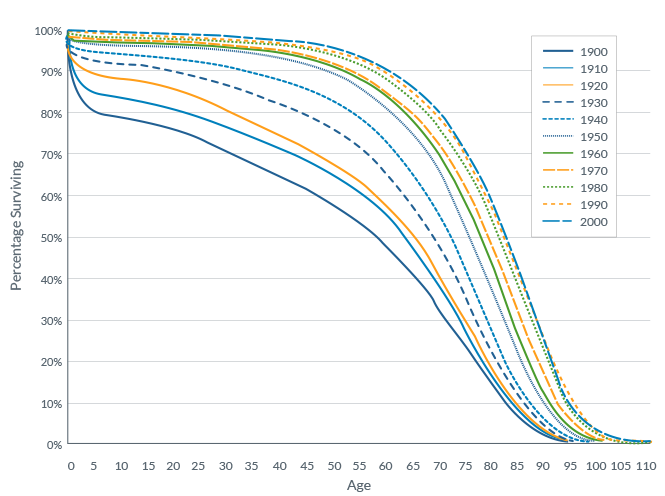
Public health researchers have a term that’s becoming essential for workforce strategy: compression of morbidity.

The principle is straightforward. Rather than spending decades managing chronic illness, people who maintain healthier lifestyles delay disease onset and compress illness into a shorter period near life’s end. They remain vital, capable and engaged for longer.

For your organisation, this translates to a workforce that thinks more clearly, adapts more effectively and sustains performance over time—not one that gradually declines.

Traditional Health vs Compression of Morbidity

Mortality and Morbidity at the End of Life's Road

The difference? Years of sustained high performance versus gradual capability erosion.

Why This Matters to Your Bottom Line

Consider the kidneys—quietly filtering 180 litres of blood daily, regulating blood pressure, balancing fluids, removing toxins. One of the body’s most demanding systems, yet largely invisible until something goes wrong.

Modern workplace patterns are placing extraordinary strain on this system. High-sodium cafeteria food. Insufficient hydration. Sedentary desk work. Unmanaged chronic stress. The result? One in ten adults now lives with chronic kidney disease.

Your workplace environment directly influences these outcomes. The question is whether it’s influencing them positively or negatively.

March’s health observances offer practical insight. During Ramadan, millions practice intentional eating patterns that encourage metabolic reset and self-discipline. The principles behind safe fasting—proper hydration, balanced whole-food nutrition, body awareness—mirror the fundamentals of sustainable performance.

This isn’t about implementing fasting programmes. It’s about recognising that intentional approaches to nutrition, recovery and energy management create measurable performance advantages.

From Early Career to Late Career: The Lifecycle Challenge

Research shows that dietary and lifestyle habits established in early adulthood determine disease risk decades later. Yet most organisations treat employee health as static, offering one-size-fits-all wellness programmes that miss the mark.

The reality is more nuanced:

  • 20s-30s: Building foundations through balanced nutrition, movement and sleep
  • 40s-50s: Managing metabolic health, cholesterol and blood pressure
  • 60s+: Maintaining muscle strength, bone density and cognitive vitality

Across every stage, the pattern remains consistent: whole foods, lean proteins, healthy fats and regular movement support cardiovascular health, reduce inflammation and maintain stable energy.

For HR leaders, this creates both a challenge and an opportunity. How do you design interventions that meet people where they are across different life stages and career phases?

Why Traditional Wellness Programmes Keep Failing

Most wellness initiatives treat wellbeing as optional—a perk, not a performance driver. They offer gym memberships employees don’t use, lunch-and-learn sessions quickly forgotten, annual health checks that don’t translate to behaviour change.

The organisations we work with understand something different: resilience and wellbeing are strategic capabilities, not nice-to-have benefits.

When your people have the physical and mental capacity to navigate pressure without burning out, everything else improves. Decision quality. Team dynamics. Innovation. Retention. Client relationships.

The most sustainable organisations are built on sustainable people. It’s that simple.

A Different Approach to Workforce Sustainability

At The Resilience Institute, we partner with HR leaders who recognise this shift. Our programmes translate resilience science into practical workplace habits that support sustainable high performance.

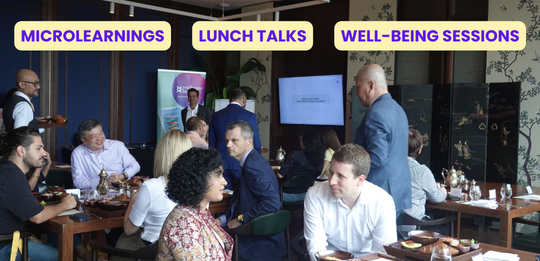
Our Well-Being Journey combines diagnostic insights with targeted microlearning to strengthen:

  • Energy management across demanding schedules
  • Burnout prevention and early warning recognition
  • Mental fitness and cognitive performance
  • Practical recovery strategies

Organisations often pair this foundation with targeted leadership development:

Each programme is tailored to your organisation’s specific context, challenges and goals. We deliver through workshops, coaching dialogues, microlearning journeys or keynote sessions—whatever matches your workforce needs.

The Question Isn’t Whether, It’s How

You already know wellbeing matters. The real question is: how do you design an environment where people perform at their best without compromising their long-term health?

March offers a timely reminder that the decisions you make about workforce health today will determine your organisational capacity five, ten, fifteen years from now.

The choice is between gradual capability decline and sustained high performance. Between reactive healthcare costs and proactive capability building. Between treating people as resources to extract from and humans to invest in.

Let’s Talk About What’s Possible

If you’re exploring how to strengthen resilience, wellbeing and sustainable performance across your teams, we’d welcome the conversation.

Contact us to discuss a tailored programme for your organisation →

Because the most competitive advantage you can build in 2026 isn’t another technology platform or process optimisation. It’s a workforce that stays healthy, engaged and high-performing for the long term.


You can explore our programmes or enquire here:
https://resiliencei.com.sg

Original Source: https://resiliencei.com.sg/corporate-wellbeing-strategy-workforce-resilience/

Frequently Asked Questions (FAQs)

What is compression of morbidity?

Compression of morbidity refers to delaying the onset of chronic disease so that people remain healthier for longer and experience shorter periods of illness later in life.

Why does workforce health matter for organisations?

Healthy employees maintain higher cognitive performance, adapt better to stress and sustain productivity longer. Workforce health directly influences organisational resilience.

How can organisations prevent burnout?

Burnout prevention strategies include leadership training, healthy work rhythms, resilience development and workplace wellbeing programmes.

What is a corporate resilience programme?

Corporate resilience programmes combine leadership development, wellbeing training and behavioural science to help teams manage pressure and sustain performance.

Burnout in Healthcare: What the Current Data Shows and What Actually Helps

  • Healthcare burnout didn’t end when pandemic-era crisis conditions eased. Chronic understaffing and rising demand keep the underlying risk factors firmly in place.
  • In Singapore specifically, close to 78% of mental health professionals met burnout thresholds in a recent workforce survey, higher than many other healthcare sub-sectors.
  • Individual interventions like mindfulness-based stress reduction have real evidence behind them, but the strongest research points to organisational change as the intervention that actually moves the needle.

Burnout as a concept was introduced by American psychoanalyst Herbert Freudenberger, who first applied it to the workplace stress he observed in physicians, nurses, and pharmacists. The World Health Organization formally classified it in 2019 as an occupational phenomenon tied specifically to the workplace, not a broader clinical diagnosis. While there’s genuine debate among researchers about exactly how to define and measure it, most people who’ve worked in a demanding role recognise the symptoms when they see them.

What Burnout Actually Looks Like

Burnout typically shows up as three interlocking features: cynicism and negativism, emotional exhaustion, and declining professional productivity. These are frequently accompanied by physical symptoms, gastrointestinal issues, headaches, chronic fatigue, and sometimes an increased risk of substance use as a coping mechanism. Recognising these signals early is the first real step toward addressing whether work stress has moved from manageable to genuinely harmful.

The Risk Factors

Lack of control and autonomy. The less flexibility someone has over their own schedule, tasks, and decisions, the more stressful the role becomes. Emergency and acute care staff, with limited control over hours and assignments, are particularly exposed.

High job demands. Mental health is hit hardest when negative emotion combines with an unmanageable workload or a psychologically unsafe environment. Long hours and intensive tasks, without a genuine counterbalance of recovery, push people into a sustained state of anxiety and fatigue.

Lack of support. Burned-out healthcare workers consistently report feeling disconnected from colleagues and supervisors. Isolation and a lack of safe connection at work compound burnout risk considerably.

Individual vulnerability factors. Research including a study of nearly 300 Indian nurses found neuroticism increases vulnerability to stress and burnout specifically, and prior depression or PTSD have also been identified as precursors.

The Trend Line Is Still Moving in the Wrong Direction

The scale has been rising for well over a decade. A 2019 US National Academy of Medicine report found up to 60% of residents and medical students, and up to 54% of nurses, experiencing burnout and work-related stress, up sharply from roughly 46% of medical staff in 2011. The pandemic pushed prevalence to genuine crisis levels in acute settings, but the underlying pressure driving it, chronic understaffing against rising demand, has not eased in the years since. Population growth, an ageing patient base, and workforce shortages continue to place more demand on fewer available clinicians in most healthcare systems.

In Singapore specifically, a 2022 workforce survey found close to 78% of mental health professionals met clinical burnout thresholds, one of the higher rates recorded across any local healthcare sub-sector. Singapore’s broader healthcare system has also flagged workforce shortage as a structural, ongoing pressure rather than a temporary post-pandemic bottleneck, consistent with the World Health Organization’s global projection of a shortfall approaching 15 million health workers by 2030.

Why It Matters Beyond the Individual

Burnout’s most visible personal cost is decreased productivity, sometimes accompanied by substance use, strained relationships, or in the most severe cases, suicidal ideation. Rising absenteeism and early retirement among healthcare staff jeopardises continuity of patient care directly, and recruitment costs climb as turnover increases to fill the resulting gaps.

The organisational and patient-level stakes are just as real. In healthcare specifically, individual job performance is tightly linked to patient outcomes: fatigued, psychologically depleted staff are measurably more prone to medical error and less likely to consistently follow safety protocol, which carries both clinical and legal risk for the institution.

What Actually Helps: Individual Interventions

Individual-level approaches matter, but they work best paired with organisational change rather than as a substitute for it. Palliative care physician Dr. Balfour Mount’s concept of “healing connections” found that isolated, disconnected patients experience disproportionately higher anguish, and the same principle extends to clinicians: deliberately investing in relationships, with family, friends, and colleagues, has a genuine protective effect. Mindfulness-Based Stress Reduction, an eight-week structured programme, has consistent evidence behind it for reducing burnout specifically, largely through building the capacity to reappraise stressful situations rather than simply enduring them.

What Actually Helps: Organisational Interventions

Addressing burnout at the individual level alone consistently falls short. Physician-researchers Tait Shanafelt and John Noseworthy’s widely cited nine-step framework for healthcare organisations remains one of the most evidence-backed roadmaps available:

  1. Measure staff wellbeing regularly and treat burnout as a real, trackable problem, not an anecdotal complaint.
  2. Actively reduce toxic work relationships by developing healthier leadership behaviour.
  3. Target interventions to the specific problem in each department rather than applying generic, organisation-wide fixes.
  4. Build genuine community and constructive dialogue at work.
  5. Use incentives that drive collective effort toward shared goals, not just individual output.
  6. Align organisational values with an actually healthy, collaborative culture, not just a stated one.
  7. Promote genuine work-life balance and flexible, family-friendly scheduling.
  8. Provide real opportunities for self-care, emotion regulation, and resilience-building, not just a wellness poster.
  9. Fund and act on evidence-based research within the organisation itself, rather than relying solely on external best practice.

A tenth, often-overlooked step matters just as much: actively supporting colleagues returning to work after burnout, so reintegration happens on genuinely sustainable terms rather than a quiet return to the same conditions that caused it.

When healthcare workers burn out, it’s never contained to them alone. Colleagues, families, and patients absorb the cost too, which is exactly why the fix has to operate at the organisational level, not just the individual one.

A Practical Guide to Personal and Organisational Agility

  • Only 16% of employers currently invest in adaptability and continuous-learning programmes, yet 26% of employees say adaptability is the top skill they need. That gap is where most organisational agility problems actually start.
  • Physical and mental agility share a biological root in the cerebellum, and both improve the same way: through deliberate, repeated practice, not talent alone.
  • Agile methodology’s most cited practice, the Scrum sprint, has quietly shifted toward much shorter cycles than most people assume, a genuinely useful lesson in how the field itself keeps adapting.

Through play, the lion cubs develop agility.

— David Attenborough, Dynasties

Agility used to describe physical dexterity alone: the footballer dodging a defender, the boxer ducking before a counterpunch, the gymnast sticking a landing after a full rotation. Move quickly, freely, and with coordination, and you’re agile. But the term applies just as directly to cognitive processing. Mental agility is the ability to think and understand new concepts quickly, and it’s every bit as trainable as its physical counterpart.

In a rapidly changing world, particularly around technology, both individuals and teams need this capacity in equal measure. The gap between how much organisations invest in it and how much employees say they need it is worth taking seriously in its own right.

The Investment Gap

McKinsey’s Talent Trends survey found that only 16% of employers currently invest in adaptability and continuous-learning programmes for their workforce, while 26% of employees identify adaptability as one of the skills they most need to develop. That’s not a small mismatch. It suggests a meaningful share of organisations are underprepared for exactly the kind of change their own people already sense is coming, and that the demand for genuine agility training is running well ahead of the supply most companies currently provide.

The Science of Agility

The cerebellum is responsible for physical coordination and complex movement, the part of the brain behind everything from running and dancing to typing and playing a video game. Mental agility draws on a related but distinct set of processes: primarily, the ability to synthesise new information into an existing knowledge framework efficiently. Staying mentally agile over a lifetime takes deliberate, ongoing practice, intentional curiosity, continued learning, and a habit of connecting new ideas to what you already know rather than treating them as isolated facts.

What Sport Teaches About Agility

An agile athlete reacts to obstacles and changing conditions in a genuinely unpredictable environment: a surfer adjusting stance mid-wave, a goalkeeper reacting to a shot that seems to appear from nowhere, a gymnast recovering balance mid-routine. None of this is just fitness and speed. Visual processing, perception, and accurate anticipation all matter as much as raw physical capability, brain and body working in sync rather than either one operating alone. The same underlying principles, reacting to change rather than resisting it, apply directly to anyone navigating a shifting professional environment, athlete or not.

Where Agile Methodology Actually Came From

The version of “agile” now common in business language originated in software development. In February 2001, seventeen software developers met in Snowbird, Utah, to discuss better ways of building software, solutions-focused collaboration designed to reduce wasted effort, boost productivity, and deliver results faster than existing methods allowed. Their conclusions became the Agile Manifesto, built around four core values: prioritising individuals and interactions over rigid processes and tools, working software over exhaustive documentation, customer collaboration over strict contract negotiation, and responding to change over following a fixed plan.

Scrum, one of the most widely adopted agile frameworks that emerged from this movement, operates on its own five core values: commitment, courage, focus, openness, and respect. In Scrum, teams work in fixed periods called sprints to deliver a defined slice of functionality, with brief daily check-ins to track progress and clear blockers along the way. Sprint length is a good example of the field’s own ongoing evolution: the Scrum Guide sets one month as the maximum allowed sprint length, but in current practice, most teams run considerably shorter cycles, commonly one to two weeks, since shorter sprints surface problems faster and shorten the feedback loop considerably. Even the methodology built around adaptability keeps adapting its own defaults over time.

This history originated in software, but the underlying approach transfers well beyond it. No business needs to copy Scrum exactly to benefit from the same core instinct: stay genuinely open-minded, and treat that openness as a practice for both individuals and teams, not a one-time mindset shift.

Agility in the Workplace: Real Benefits, Real Trade-offs

An agile team works at pace, collaborates fluidly, and produces quality results across varied conditions, whether some members work remotely while others sit in an office, without that variation becoming a genuine obstacle. Organisations that prioritise this tend to attract younger, skilled talent more easily, since flexibility and work-life balance rank highly for people currently entering the workforce, and an agile team tends to report higher morale and productivity as a direct result.

There are genuine trade-offs worth naming honestly. Moving too fast, prioritising agility over actual results, can produce lacklustre outcomes despite the appearance of speed. Teams sometimes attempt to adapt without the training or support structures that would make real adaptation possible. And learning new systems and practices, even genuinely better ones, tends to cost real productivity in the short term while the learning curve plays out. None of this argues against building agility. It argues for building it deliberately, with the training and support to back it, rather than assuming speed alone gets you there. Copying another company’s exact playbook rarely works either; the right approach tends to be specific to a given team’s actual constraints and goals.

How to Actually Build More Agility

1

Align on Basics First

Get everyone genuinely aligned on standard operating procedures and communication tools before attempting anything more ambitious. Streamlined collaboration depends on this groundwork being solid first.

2

Practise Patience, Not Just Speed

Rushing forward without reflection isn’t agility, it’s just haste. Genuine workplace agility develops the way any skill does, through sustained practice over real time, not overnight.

3

Stay Focused on Real Results

Agility sometimes means trading perfection for pace, and that’s a legitimate trade when the result is still genuinely good. Actively seek and act on feedback, and recognise that raw speed isn’t always the right response to a given situation.

4

Build Genuine Trust

Moving fast and adapting in real time requires trusting that colleagues are making sound calls without endless deliberation, and trusting your own judgement enough to act on it. Agility, at its core, requires faith in your own decisions and a genuine willingness to learn from the ones that don’t work out.

Agility isn’t a talent some people are simply born with. It’s a practice, physical and mental, built the same way any other skill compounds: through deliberate, repeated attempts, not a single decisive leap.

What Our 2020 Data Got Right (and Wrong) About Crisis Resilience

  • In March to June 2020, RI’s own diagnostic data found average resilience had risen roughly 7% compared to the same period in 2019, a genuinely counterintuitive early-pandemic finding.
  • That finding makes complete sense in light of the well-established Phases of Disaster framework: the sample was captured during the heroic and honeymoon phases of the crisis, the period of mobilisation and community bonding that reliably comes before a longer, harder decline.
  • The transferable lesson matters more than the specific 2020 numbers: early positive resilience signals during any crisis, a downturn, a restructure, a market shock, often reflect a temporary mobilisation phase, not a resolved trend. Reading them as the final word is a real risk.

In the middle of 2020, a few months into the pandemic, we looked at our own diagnostic data and found something that surprised us. Resilience hadn’t fallen. On average, across a sample of over 1,600 professionals and executives, it had gone up. Six years on, that finding is still worth revisiting, not as current data, but as a genuinely useful case study in how resilience actually behaves during the early phase of a major disruption, and why reading that phase correctly matters.

What the 2020 Data Actually Showed

We compared Resilience Diagnostic results from March to June 2019 (1,599 participants) against the same window in 2020 (1,659 participants), drawn from a similar pool of professionals and executives across comparable organisations. The average resilience ratio rose from 1.51 to 1.61, a roughly 7% increase during the acute early phase of a global crisis, not the decline anyone would have predicted going in.

The pattern wasn’t uniform. Male participants improved more clearly, from an average of 1.57 to 1.70, with the proportion at risk actually falling slightly. Female participants showed no change in the average ratio, but the proportion at risk rose by 15%, with increases specifically in anhedonia, self-doubt, and depressive symptoms. This tracks with separately well-documented research from the same period on the disproportionate caregiving and domestic burden many women carried during pandemic-era lockdowns and school closures, a genuine and important asymmetry inside an otherwise positive headline number.

At a category level, mental strength, physical energy, stress mastery, and related risk categories were slightly better during the crisis window. Emotional engagement, disengagement, and depressive symptoms were slightly worse. Specific strength factors that improved included purpose, integrity, fulfilment, compassion, situational agility, optimism, and sleep quality. Factors that declined included trust, flow, decisiveness, emotional agility, and empathy.

Why This Isn’t as Strange as It Sounds

Psychologists Leonard Zunin and Diane Myers developed a framework, widely used in disaster psychology, describing the emotional phases most communities move through during a prolonged crisis: warning, impact, heroic, honeymoon, disillusionment, and reconstruction. The heroic phase is marked by altruism and mobilisation, first responders, healthcare workers, and communities pulling together with real intensity. The honeymoon phase that often follows brings a genuine, if short-lived, sense of optimism and community bonding, along with a belief that things will return to normal reasonably quickly.

March to June 2020 sits squarely inside that window for most of the world. Our data wasn’t capturing a crisis that had resolved well. It was capturing a population still inside the heroic and honeymoon phases, genuinely mobilised, purposeful, and pulling together, before the far longer disillusionment phase that followed. That later phase, well documented separately across 2020 to 2022, brought the more severe and prolonged mental health decline most people actually associate with the pandemic: rising burnout, anxiety, and depression as the crisis stretched on far longer than the initial mobilisation could sustain.

Seen through that lens, the 2020 finding isn’t really a story about resilience being immune to crisis. It’s a story about which phase of a crisis a snapshot happens to catch, and how easy it is to mistake a heroic-phase mobilisation for a resolved, stable new normal.

The Transferable Lesson

This matters well beyond one pandemic. Any organisation moving through a major disruption, a restructuring, a market downturn, a leadership change, a merger, will likely see something similar in its early resilience or engagement data: a genuine, real mobilisation effect in the first weeks or months, purpose and cohesion measurably up, as people pull together around the immediate challenge. Reading that early signal as evidence the disruption has been successfully absorbed is a real risk. The honest interpretation is closer to: the team is currently in its heroic or honeymoon phase, and the real test comes later, when the mobilisation naturally fades and the underlying, unresolved strain has had time to surface.

Two practical implications follow. First, treat early positive signals during any crisis with appropriate caution rather than as confirmation the hard part is over. Second, plan deliberately for the later phase, the point where disillusionment risk peaks, rather than being caught off guard by a decline that the Phases of Disaster framework would have predicted from the outset.

A crisis rarely announces which phase it’s in. Knowing the shape of the curve in advance is what turns a surprising early number into a useful one.