

What It Takes to Be a Resilient Coach or Leader: Insights on Presence, Growth, and Impact
- Presence, not performance, is what makes coaching genuinely transformational. Without it, clients can’t feel safe enough to reflect, open up, or actually change.
- Feedback triggers a real stress response, not unlike seeing a police car pull up behind you. Curiosity-based questions open reflection where feedback tends to trigger defensiveness.
- Coaching mastery isn’t about technique or having the right answer. It’s about being willing to stay present in genuine discomfort, both the client’s and your own.
A conversation with Dr. Marcia Reynolds on presence, growth, and impact
There’s a quiet power in coaching that often goes unnoticed. It isn’t about asking the perfect question or applying the right model. It’s about how you show up, especially when someone else is struggling to think, lead, or move forward. That’s what makes coaching both genuinely challenging and deeply human.
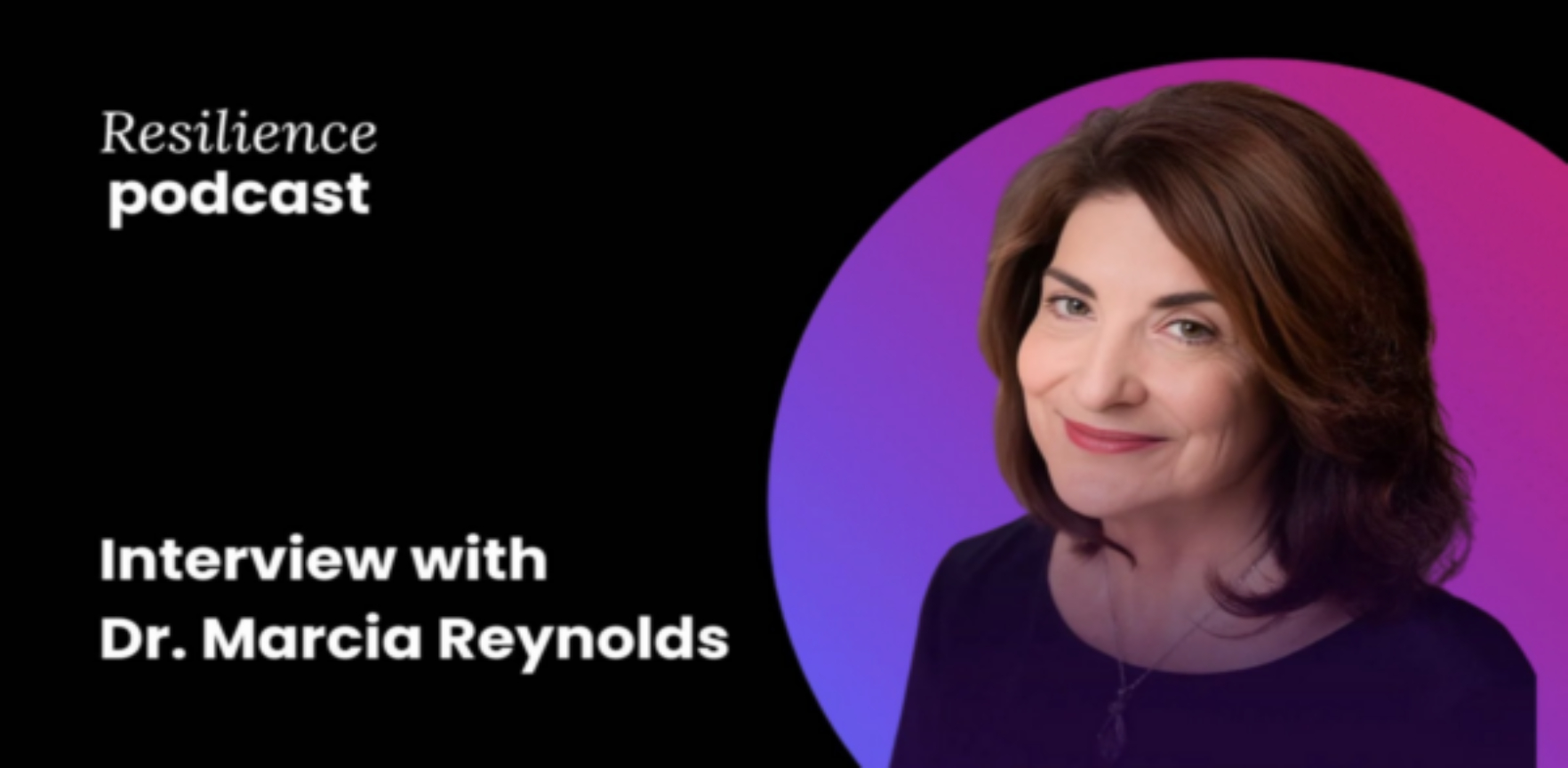
To explore this, we sat down with Dr. Marcia Reynolds, former president of the International Coaching Federation, a globally recognised leadership coach, and author of Coach the Person, Not the Problem. On the Resilience Podcast, she shared what it genuinely means to be a resilient coach, and how presence, more than performance, is what actually unlocks real transformation.
Why Presence Is the Foundation of Resilience
Asked what matters most in building resilience through coaching, Dr. Reynolds brings it back to presence immediately. Without it, clients can’t feel safe enough to open up, reflect, or genuinely change. “If I break presence, I might break their feeling of safety.”
Presence isn’t passive. It’s the anchor that holds space when emotions run high, when thinking turns cloudy, or when someone is sitting in real discomfort. Too often, coaches rush that exact moment, reaching for a solution or trying to prove their worth instead of simply staying present. “When you slow down, you actually move faster,” Dr. Reynolds says. Real transformation begins in that stillness.
What Actually Makes Coaching Transformational?
Coaching isn’t about having the answers. It’s about helping someone else think more clearly. Where training and advice tend to activate the rational, task-driven part of the brain, coaching engages the creative, reflective parts where genuine insight actually lives. “When I reflect your story back to you and ask, ‘How is that working for what you want?’ you begin to see differently,” Dr. Reynolds explains.
That shift doesn’t come from strategy or skill alone. It comes from slowing down, listening fully, and being willing to walk alongside a client rather than ahead of them. “I’m not here to fix you. I’m here to think with you,” she says.
What Do Coaches Get Wrong About Feedback?
Much of coaching happens in the space between a question and someone’s own reflection, yet many coaches and leaders still default to feedback as their primary tool. Dr. Reynolds challenges that directly: “Feedback triggers the same stress response as a police car pulling up behind you.” Instead of correcting, she teaches leaders and coaches to stay genuinely curious. Ask, “What are you trying to achieve here?” or “How can I support you with this?”
That approach removes the threat and replaces it with real partnership. It invites reflection instead of defensiveness, and it turns even difficult conversations into genuine moments of growth.
How Can Leaders Shift Into a Coaching Mindset?
Shifting from expert to coach can feel genuinely awkward, especially for leaders used to being the one with the answers. The first step is simple: name the shift directly. “Let people know,” Dr. Reynolds suggests. “Tell your team: I’m learning a new way to lead. I want your support.”
Being transparent about your own growth builds real trust. It creates genuine permission for others to grow too, and it signals that leadership isn’t about control, it’s about co-creation. Leaders who coach well model exactly the mindset they hope to inspire in others. “It’s okay to feel awkward,” she adds. “But when you name it, you create trust.”
What Should Coaches Understand About Their Own Growth?
For many coaches, the hardest lesson is that coaching isn’t about performance. It’s about presence. Coaches often arrive from “telling” professions, teaching, therapy, consulting, and the first internal shift is learning to stop proving and start genuinely listening instead. “The first shift is into coaching presence. The second is into mastery, where you let go of technique and fully show up,” Dr. Reynolds explains.
Mastery isn’t about perfection. It’s about being real, genuinely grounded, and willing to stay in the discomfort of growth, both yours and your client’s. “You don’t have to be perfect. You just have to be present.”
Coaching mastery doesn’t come from having the right technique. It comes from presence, from being genuinely willing to slow down, stay curious, and show up real, in the discomfort, alongside the person you’re actually there for.
Frequently Asked Questions
Find answers to some of the most common questions about this topic.
Who is Dr. Marcia Reynolds?
Dr. Marcia Reynolds is a former president of the International Coaching Federation, a globally recognised leadership coach, and author of Coach the Person, Not the Problem. The insights in this piece come from her appearance on the Resilience Podcast.
Why does feedback often backfire in coaching or leadership conversations?
According to Dr. Reynolds, feedback triggers a genuine stress response, comparable to seeing a police car pull up behind you, which tends to produce defensiveness rather than openness. Curiosity-based questions, asking what someone is trying to achieve or how you can support them, invite reflection instead of triggering a threat response.
What's the difference between coaching presence and coaching performance?
Performance is about technique, having the right model or the perfect question. Presence is about how you genuinely show up for someone else, staying grounded and attentive even when emotions run high or thinking turns cloudy. Dr. Reynolds frames real coaching mastery as coming from presence, not performance.
Become a Certified Resilience Coach
Join our globally recognised certification programme and bring resilience training into your own practice.
Explore CertificationRelated Articles



Start Your Learning Journey with Us
Build resilience, strengthen your wellbeing, and take the next step towards meaningful personal and professional growth.


Send Us a Message
Fill out the form below and our team will get back to you.